
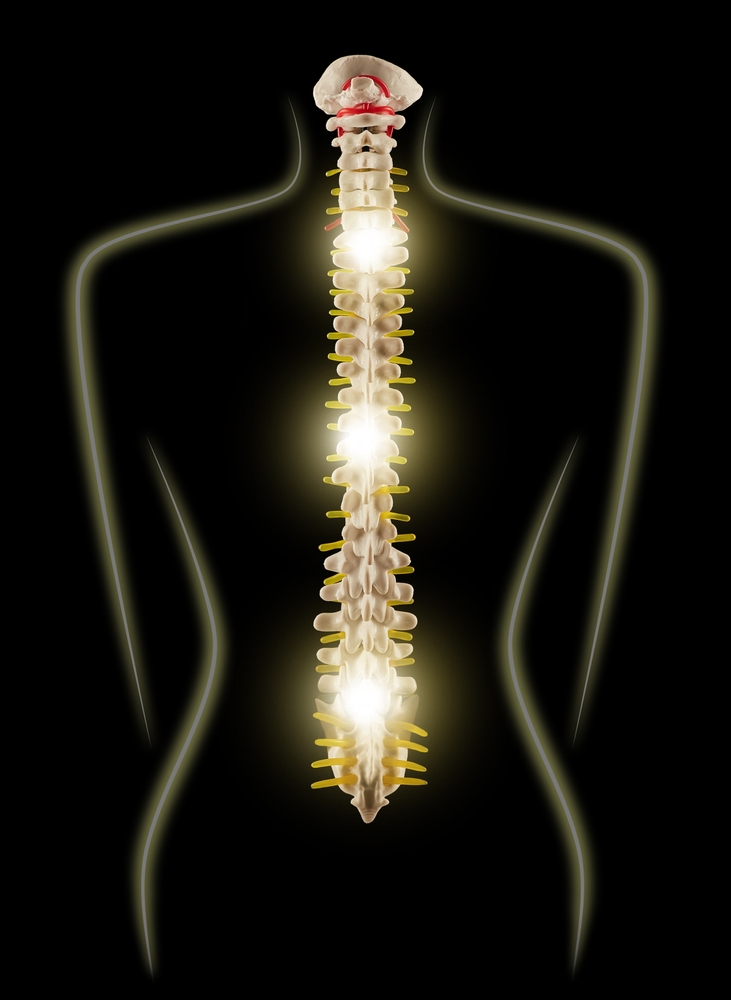
Your nervous system is the intervention – emphasises the critical role that the nervous system plays in regulating bodily responses, emotions, and overall well-being. Understanding how the nervous system functions can help you identify and manage stress, anxiety, and other emotional challenges effectively. Here’s an exploration of this concept, its significance, and how to empower your nervous system for healthier living:
Understanding the Nervous System
1. Components:
The nervous system consists of two main parts: the central nervous system (CNS), which includes the brain and spinal cord, and the peripheral nervous system (PNS), which encompasses all the nerves outside the CNS. The PNS further divides into the autonomic nervous system, which regulates involuntary functions, and the somatic nervous system, which controls voluntary movements.
2. Autonomic Nervous System:
The autonomic nervous system has two branches: the sympathetic nervous system (SNS) and the parasympathetic nervous system (PNS).
The SNS is responsible for the “fight or flight” response, preparing the body to react to perceived threats.
The PNS promotes the “rest and digest” state, allowing the body to relax and recover.
Importance of the Nervous System in Intervention
1. Stress Response:
The nervous system plays a central role in managing stress responses. Understanding how your body reacts to stress can empower you to intervene early and engage in self-soothing practices that promote balance.
2. Emotional Regulation:
The nervous system influences emotional experiences and reactions. By learning to recognise your physiological responses to emotions, you can take steps to cultivate emotional regulation through techniques such as breathing exercises, mindfulness, and grounding.
3. Physical Health:
The health of your nervous system directly impacts overall physical well-being. Chronic stress and unresolved emotional challenges can lead to imbalances that affect physical health. Intervening through stress management techniques can promote healing and vitality.
Strategies to Empower Your Nervous System
1. Mindfulness and Meditation:
Practicing mindfulness and meditation can help regulate the nervous system and promote relaxation. These practices encourage awareness of your body’s sensations and responses, fostering a calmer mind.
2. Breathwork:
Engage in breathwork techniques to activate the parasympathetic nervous system and promote relaxation. Deep, intentional breathing can help reduce stress and anxiety.
3. Regular Exercise:
Physical activity not only strengthens the body but also positively impacts the nervous system by reducing stress hormones and promoting the release of endorphins, which enhance mood.
4. Healthy Nutrition:
Nourishing your body with a balanced diet can support optimal nervous system function. Essential nutrients like omega-3 fatty acids, antioxidants, and vitamins can contribute to brain health.
5. Connect with Nature:
Spending time outdoors has a calming effect on the nervous system. Nature can help reduce stress and promote feelings of well-being.
6. Social Connections:
Maintaining healthy relationships and social support can buffer stress responses and promote emotional well-being. Connecting with others enhances feelings of security and belonging.
7. Sleep and Rest:
Prioritise adequate sleep and rest to support nervous system recovery and overall health. Establishing good sleep hygiene promotes mental clarity and emotional balance.
8. Spinal Flow Care
Prioritise regular spinal flow care for your nervous system regulation and spinal alignment and you’ll notice you respond to stress differently in your life!
Your nervous system is the intervention – highlights the central role that the nervous system plays in managing stress, emotions, and overall health. By understanding how it functions and implementing strategies to empower it, you can cultivate resilience, emotional regulation, and well-being. This proactive approach enables a deeper connection with oneself and fosters a balanced, fulfilling life. If you have specific questions or wish to explore this topic further, feel free to ask!