
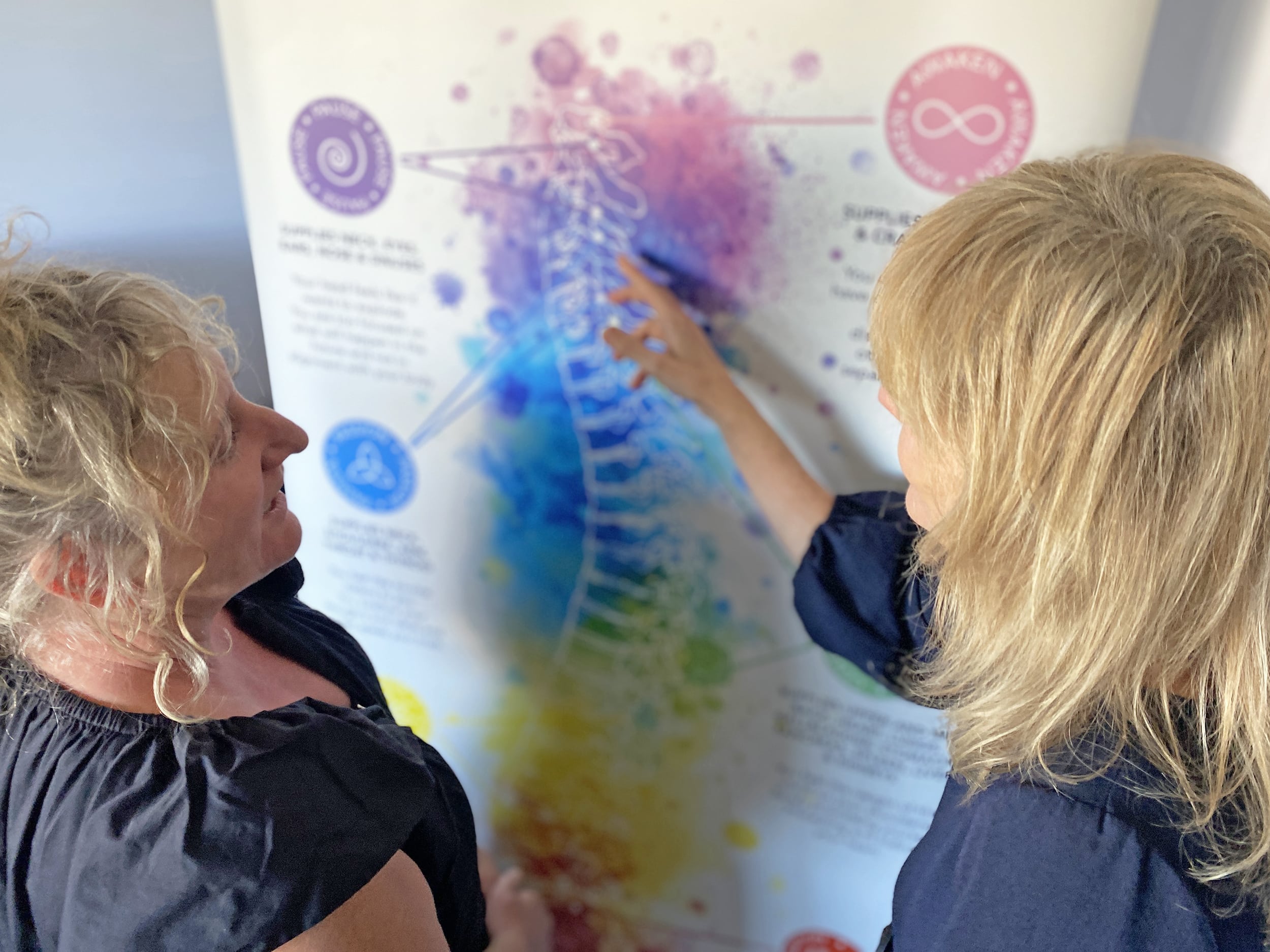
The idea that “what we don’t process in our minds shows up in our spines” highlights the profound connection between our mental and emotional states and physical health, particularly in terms of how emotional stress and unresolved issues can manifest as physical tension or pain in the body. Here’s a deeper exploration of this idea:
1. Mind-Body Connection
Emotional Storage
Most people experience emotional stress, trauma, or unresolved feelings that they may not consciously process. This emotional burden can manifest physically, leading to tension in your spine.
Somatic Symptoms
The term “somatic” refers to physical symptoms that arise from emotional or psychological sources. Conditions like chronic back pain, tension headaches, and muscular discomfort can often be linked to unresolved emotional issues.
2. Common Areas of Tension
Spinal Tension
The spine is a central structure of support in the body, and tension often accumulates in the back due to stress, anxiety, and emotional strain. This can lead to issues such as muscle tightness, stiffness, and pain.
Posture and Stress
Poor posture, often a result of stress or emotional discomfort, can further exacerbate spinal issues. When we feel stressed or anxious, we may unconsciously hunch our shoulders or tense our muscles, leading to physical discomfort.
3. The Role of Unprocessed Emotions
Emotional Release
When emotions are not processed or expressed, they can become trapped in the body. Many therapeutic approaches, such as spinal flow care, massage, and body-focused mindfulness practices, aim to help you release these emotions.
Awareness and Healing
Becoming aware of how unprocessed emotions affect the body is a crucial step in healing. Practices like mindfulness, journalling, and talking therapies can assist in processing emotions and alleviating physical tension.
4. Techniques for Processing Emotions
Mindfulness and Meditation
These practices can help increase awareness of bodily sensations and emotions, allowing you to process feelings in a safe and constructive way.
Yoga and Movement
Engaging in yoga or other forms of movement can help release physical tension and promote emotional processing. Many yoga poses are designed to open the spine and release stored emotions.
Spinal Flow Care
This approach focuses on bodily sensations to process trauma and emotional distress, helping you release tension held in the spine and other areas of the body.
5. Seeking Professional Support
Spinal Flow Practitioner
Working with us can help address specific spinal issues while also exploring the emotional components of chronic pain or tension.
Counseling and Therapy
Talking with a mental health professional can provide valuable support in processing emotions and understanding their impact on physical health.
By recognising the connection between unprocessed emotions and physical tension, you can take steps to cultivate awareness, seek healing, and promote a more balanced and fulfilling life. Integrating practices that support both emotional processing and physical health can lead to significant improvements in quality of life and overall wellness.