
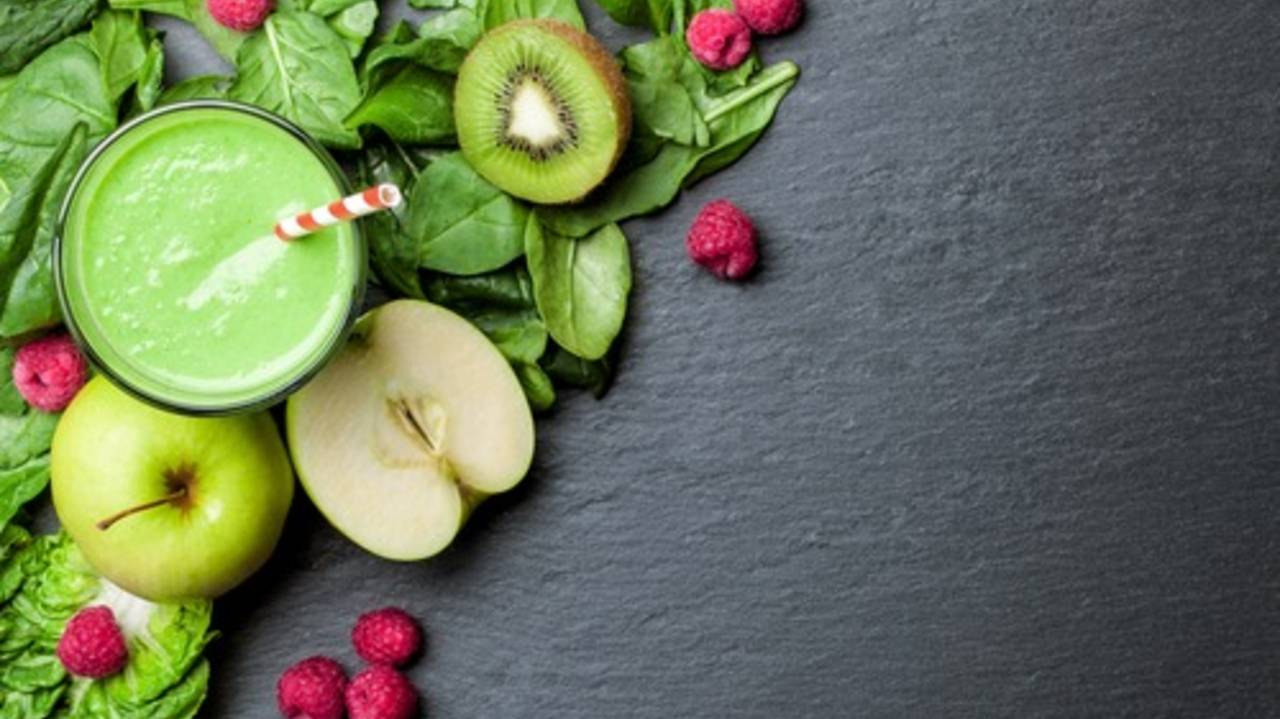
Optimising your gut health is a cornerstone of healing from the inside out, because your gut is often referred to as your second brain. The gut-brain axis means that what happens in your gut directly impacts your nervous system, your mood, and your ability to stay in a regulated state.
When your gut microbiome is thriving, your body has the raw materials it needs to produce neurotransmitters like serotonin, which are essential for emotional stability.
- Nourish the Microbiome (The Inside)
- Prioritise Fiber Diversity: Your gut bacteria thrive on variety. Aim to include at least 20–30 different types of plants in your diet each week (fruits, vegetables, nuts, seeds, legumes, and grains). Diversity in your diet creates diversity in your microbiome.
- Prebiotics are Key: Prebiotics are the fuel for your good bacteria. Foods like garlic, onions, leeks, asparagus, bananas, and slightly under-ripe (green) bananas are excellent sources.
- Fermented Foods: Introduce live cultures through foods like sauerkraut, kimchi, kefir, miso, and plain Greek yogurt. These help replenish the beneficial bacteria population.
- Hydration: Your gut lining requires water to maintain its integrity. Staying hydrated ensures that the mucosal lining of the gut can protect itself and facilitate proper digestion.
- Regulate the Nervous System (The Connection)
Your gut is highly sensitive to your nervous system’s state. If you are in a chronic fight-or-flight (sympathetic) state, your body diverts blood away from the digestive system, slowing it down and often causing inflammation.
- Eat in a Rest and Digest State: Never eat while stressed, working, or rushing. Take three deep, posterior rib-expansion breaths before you take your first bite. This signals to your vagus nerve that it is safe to digest.
- Chew Thoroughly: Digestion begins in the mouth. Chewing your food until it is nearly liquid reduces the workload on your stomach and intestines, making nutrient absorption more efficient.
- Remove the Inflammatory Noise
- Identify Sensitivities: Sometimes, even healthy foods can cause inflammation if your gut is sensitive. Notice how you feel after eating. Do you feel bloated, foggy, or tired? If so, consider an elimination process to identify potential triggers like gluten, dairy, or processed sugars.
- Minimise Processed Sugars: High intake of refined sugar feeds the bad bacteria and yeast in the gut, which can lead to dysbiosis (an imbalance in your microbiome).
- Movement and Somatic Support
- Gentle Movement: Movement helps stimulate the motility of the gut. Practices like walking or gentle yoga help keep things moving through the digestive tract.
- Spinal Alignment: As we discussed regarding the L1–L5 vertebrae, spinal alignment is directly linked to digestive function. Keeping your lumbar spine mobile and free of blocks ensures that the nerve pathways to your digestive organs remain clear.
A Daily Gut-Check Practice
- Morning: Start with a glass of room-temperature water (you can add a squeeze of lemon) to gently wake up your digestive system.
- During Meals: Practice Conscious Eating. Put the device away, take three slow breaths into the back of your ribs, and chew each bite slowly.
- Evening: Allow at least 2–3 hours between your last meal and bedtime. This gives your gut the necessary time to complete the migrating motor complex (a cleansing wave that clears the gut) while you sleep.