
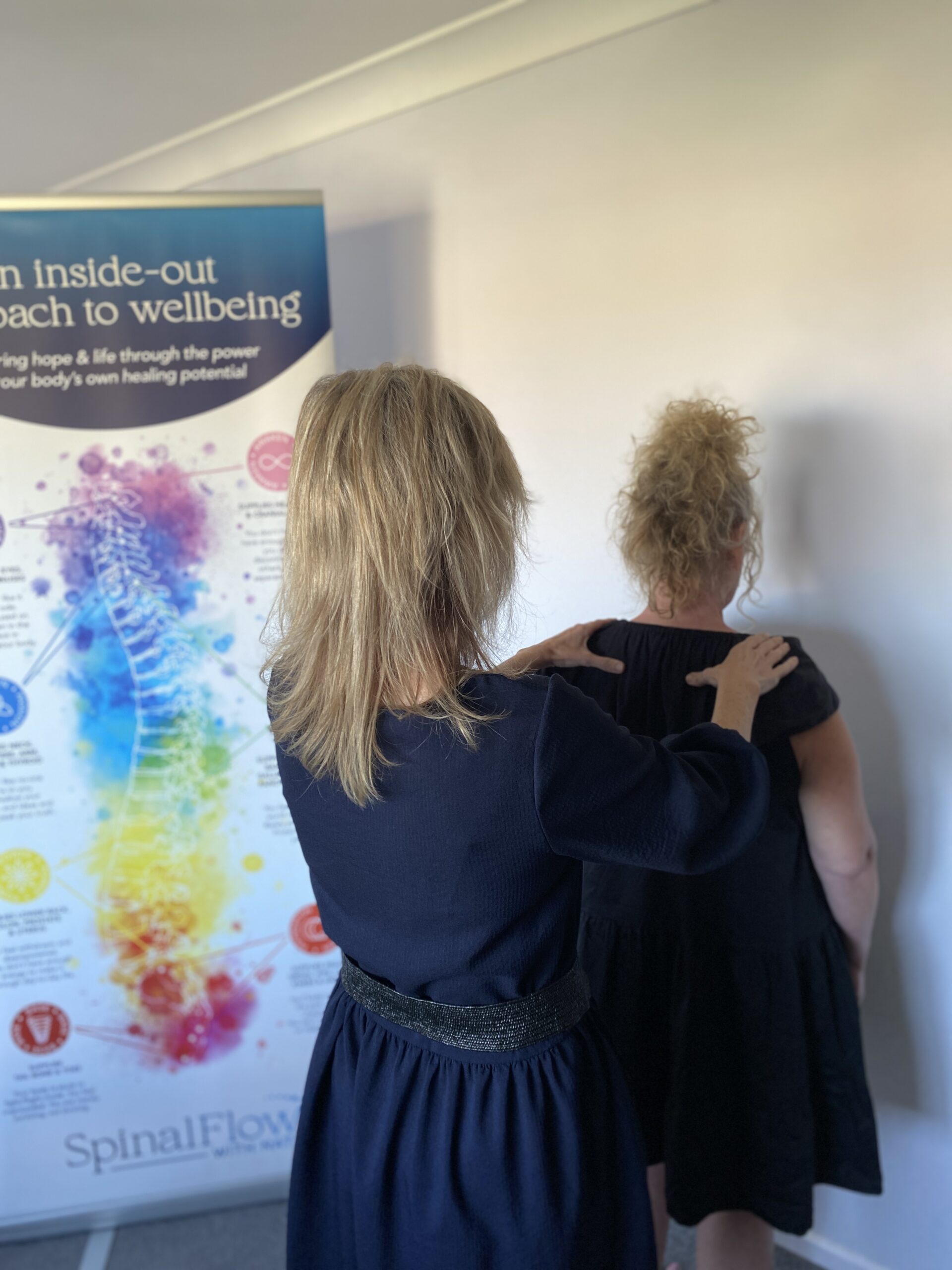
The statement “your body can heal” reflects the innate ability of the human body to recover from injuries, illnesses, and various health challenges. This self-healing capacity is supported by a combination of biological processes, lifestyle choices, and mental and emotional well-being. Here are some key points that elaborate on this idea:
1. The Body’s Natural Healing Mechanisms
Cellular Regeneration
The body is composed of cells that continuously regenerate. For example, skin cells, blood cells, and even some types of nerve cells can repair and renew themselves over time.
Immune System
The immune system plays a crucial role in protecting the body from pathogens and facilitating healing. It identifies and eliminates infections, repairs tissues, and promotes recovery from illnesses.
2. The Mind-Body Connection
Psychological Impact on Healing
Mental and emotional states can significantly influence physical health. Stress, anxiety, and negative emotions can hinder healing, while positive emotions and a hopeful outlook can enhance the healing process.
Mindfulness and Relaxation
Practices such as spinal flow care, meditation, yoga, and deep breathing can reduce stress and promote a state of relaxation, allowing the body to focus on healing. These practices can also improve immune function and overall well-being.
3. Nutrition and Lifestyle Choices
Nourishment
Proper nutrition provides the body with the essential nutrients it needs for healing. Foods rich in vitamins, minerals, antioxidants, and healthy fats can support the healing process and boost the immune system.
Hydration
Staying well-hydrated is vital for overall health and helps the body function optimally, aiding in the healing of tissues and organs.
Exercise
Regular physical activity promotes circulation, which is essential for delivering nutrients and oxygen to tissues. Exercise can also reduce inflammation and improve mood, contributing to the healing process.
4. Holistic Approaches to Healing
Integrative Medicine
Many people find that a holistic approach to health, which combines conventional medical treatments with alternative therapies (such as spinal flow care, acupuncture, or herbal medicine), can enhance the healing process.
Self-Care Practices
Engaging in self-care practices—such as adequate sleep, stress management, and emotional regulation—can significantly impact the body’s ability to heal.
5. The Role of Belief and Intention
Placebo Effect
Research has shown that belief in the efficacy of treatment can lead to real physiological changes in the body. The placebo effect illustrates how powerful the mind can be in influencing healing.
Intentional Healing
Setting intentions for healing and focusing on positive outcomes can help you tap into your body’s innate healing abilities.
6. Support Systems
Community and Relationships
Emotional support from friends, family, and community can positively impact healing. Strong social connections can reduce stress and enhance resilience during health challenges.
Professional Guidance
Working with healthcare practitioners, such as spinal flow practitioners and therapists can provide valuable support and guidance as you navigate your healing journey.
The belief that “your body can heal” is rooted in the understanding that the human body possesses remarkable self-regenerative and self-healing capabilities. By supporting these processes through mindfulness, nutrition, self-care, and positive emotional states, you can empower your body to heal effectively. While healing may take time and vary from person to person, adopting a holistic approach can enhance overall well-being and facilitate the body’s natural healing journey.