
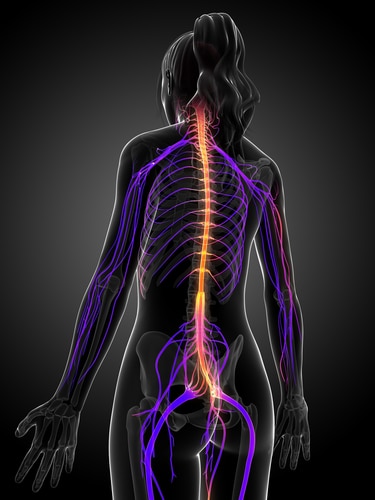
This statement underscores the profound importance of having a balanced and well-functioning nervous system, as it largely influences your emotional well-being, stress management, and overall health. Here’s a deeper exploration of why a regulated nervous system is a significant asset (“flex”) in life:
Understanding the Nervous System
1. The Nervous System Overview:
The nervous system includes the brain, spinal cord, and peripheral nerves, playing a vital role in controlling bodily functions, emotions, and responses to stress. It is divided into two main parts: the central nervous system (CNS) and the autonomic nervous system (ANS).
2. Autonomic Nervous System (ANS):
The ANS consists of the sympathetic nervous system (responsible for the fight or flight response) and the parasympathetic nervous system (responsible for rest and digest functions). A well-regulated nervous system maintains a healthy balance between these two states, allowing for optimal functioning.
The Benefits of a Regulated Nervous System
1. Emotional Stability:
With a regulated nervous system, individuals can better manage their emotions, leading to increased resilience in the face of challenges and reduced anxiety or feelings of overwhelm.
2. Stress Management:
The ability to regulate the nervous system enhances stress management. Individuals with a balanced autonomic nervous system respond to stressors more calmly and effectively, reducing the impact of stress on physical and mental health.
3. Improved Physical Health:
A regulated nervous system supports various bodily functions, including digestion, immune response, and cardiovascular health. This contributes to a higher quality of life and overall well-being.
4. Enhanced Focus and Clarity:
Emotional and mental clarity are improved when the nervous system is functioning optimally. Individuals can concentrate better, make healthier decisions, and perform effectively in their daily lives.
5. Stronger Relationships:
Emotional regulation fosters healthier interpersonal relationships. A calm demeanor makes individuals more approachable and empathetic, enhancing communication and connection with others.
How to Regulate Your Nervous System
1. Mindfulness and Meditation:
Engage in mindfulness practices to promote relaxation and awareness. Meditation helps activate the parasympathetic nervous system, encouraging calmness and reducing stress.
2. Breathing Techniques:
Implement deep breathing exercises to stimulate relaxation. Techniques like diaphragmatic breathing can help shift the nervous system from a state of tension to one of ease.
3. Regular Physical Activity:
Exercise is a powerful tool for regulating the nervous system. Engaging in regular physical activity helps release endorphins, improve mood, and support overall nervous system health.
4. Adequate Sleep:
Prioritise quality sleep to support nervous system function and emotional regulation. Sleep hygiene practices can help improve overall sleep quality.
5. Connect with Nature:
Spending time outdoors can foster a sense of calm and grounding. Nature exposure has been shown to reduce stress levels and promote relaxation.
6. Seek Professional Support:
If you’re struggling with nervous system regulation, consider working with a therapist or practitioner specialising in techniques that promote balance and wellness, such as the Spinal Flow Technique, yoga, or somatic experiencing.
Your biggest flex is a regulated nervous system – this emphasises the strength that comes from emotional resilience, calmness, and overall well-being. By prioritising nervous system regulation, you cultivate a powerful asset that enhances your quality of life, improves stress management, and strengthens your capacity for emotional intelligence. Embracing this concept can lead to a more empowered, balanced, and fulfilling existence.