
Untucking your tailbone, or allowing it to return to its natural position, can have significant benefits for your posture, spinal health, and overall well-being. Many people tend to tuck their tailbone under due to poor posture or habits developed from prolonged sitting. Here are some benefits of untucking your tailbone:
Benefits of Untucking Your Tailbone
- Improved Posture
- Natural Alignment: Allowing your tailbone to untuck helps maintain the natural curves of the spine, promoting better alignment. This alignment reduces strain on the back and neck, leading to improved posture overall.
- Balanced Weight Distribution: An untucked tailbone allows for better distribution of weight across the pelvis and spine, reducing the risk of muscle imbalances and discomfort associated with poor posture.
- Reduced Lower Back Pain
- Alleviating Pressure: Tucking the tailbone can lead to increased pressure on the lumbar spine, contributing to lower back pain. Untucking allows for a more neutral position, relieving pressure on the vertebrae and surrounding structures.
- Muscle Relaxation: By untucking the tailbone, the muscles in the lower back and hips can relax, reducing tension and discomfort associated with chronic tightness.
- Enhanced Breathing
- Diaphragmatic Breathing: Proper alignment of the pelvis and spine can improve diaphragmatic breathing. When the tailbone is untucked, the ribcage can expand more freely, allowing for deeper and more efficient breathing.
- Reduced Stress: Improved breathing can lead to reduced stress and anxiety levels. Engaging the diaphragm effectively promotes a sense of calm and relaxation.
- Better Core Engagement
- Strengthening Core Muscles: Untucking the tailbone encourages proper engagement of the core muscles. This engagement supports stability and strength in the abdominal and pelvic areas, which is crucial for overall movement and function.
- Improved Functional Movement: A well-aligned pelvis and spine facilitate better movement patterns, enhancing functional activities such as walking, sitting, and exercising.
- Facilitated Mobility
- Greater Flexibility: Allowing the tailbone to return to its natural position can promote greater flexibility in the hips and lower back. This flexibility enhances overall mobility and reduces the risk of injury.
- Improved Range of Motion: Untucking the tailbone supports a more natural range of motion in the pelvis and lower spine, enabling smoother and more fluid movements.
- Emotional and Energy Flow
- Connection to the Root Chakra: In many holistic practices, the tailbone is associated with the root chakra, which is linked to feelings of safety, stability, and grounding. Untucking the tailbone can facilitate a sense of connection to the earth and promote emotional well-being.
- Release of Tension: Physical tension held in the tailbone area may be linked to emotional stress. Allowing the tailbone to untuck can promote the release of stored tension, leading to improved emotional clarity and balance.
How to Practice Untucking Your Tailbone
- Mindful Awareness: Pay attention to your posture throughout the day. When sitting or standing, consciously allow your tailbone to untuck and relax into its natural position.
- Gentle Stretching: Incorporate stretches that promote spinal flexibility and pelvic mobility, such as cat-cow stretches, child’s pose, or pelvic tilts.
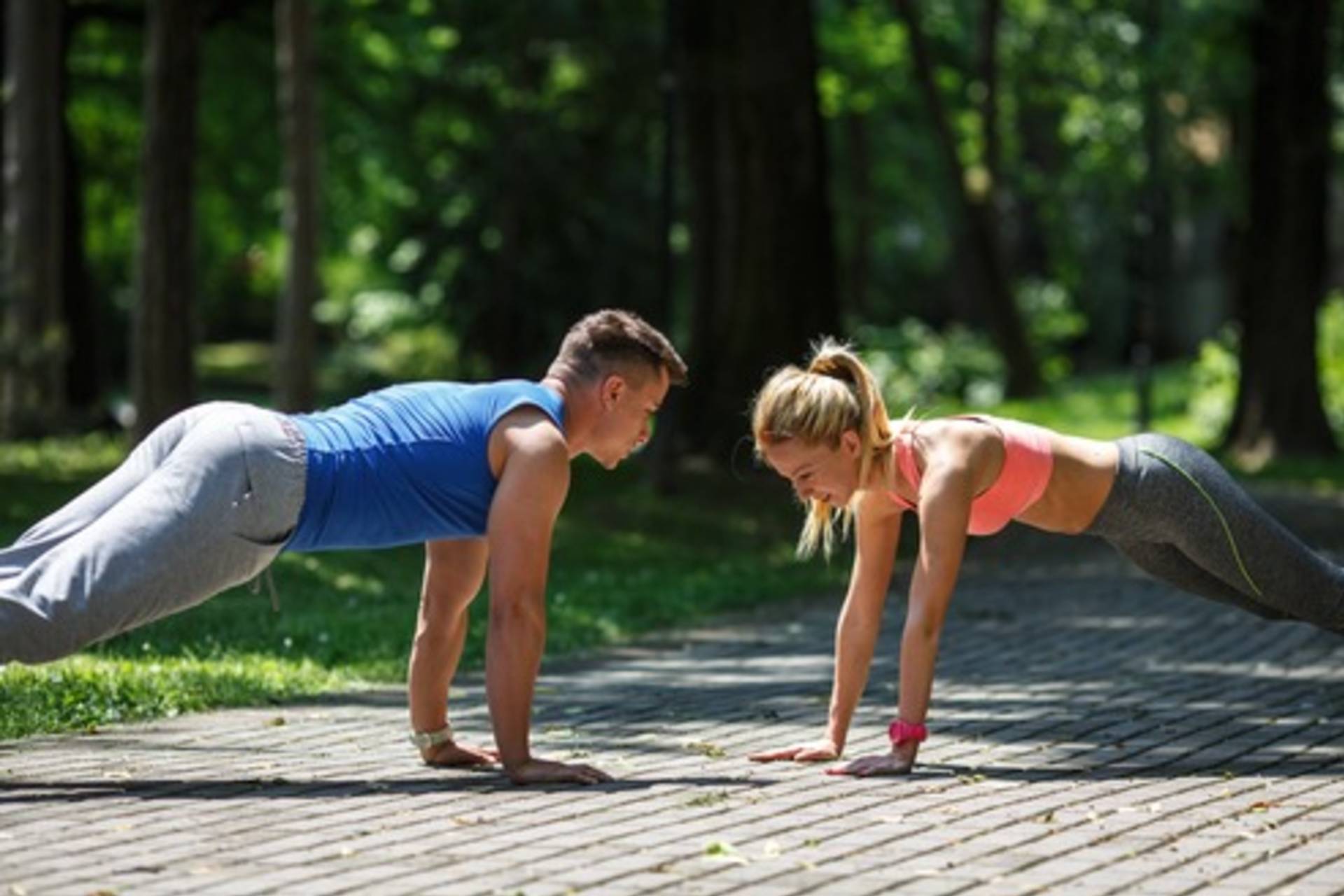
- Engage in Core Exercises: Strengthening your core can support proper alignment. Consider exercises like planks, bridges, and abdominal curls that promote core engagement without tucking the tailbone.
- Seek Professional Guidance: If you’re unsure about your posture or experiencing discomfort, consider consulting a spinal flow practitioner who can provide personalised guidance and exercises.
Untucking your tailbone can lead to numerous benefits, including improved posture, reduced pain, enhanced breathing, and better emotional well-being. By cultivating awareness and allowing your tailbone to return to its natural position, you can promote overall health and vitality. Embracing this practice invites greater freedom of movement and a deeper connection to your body.