
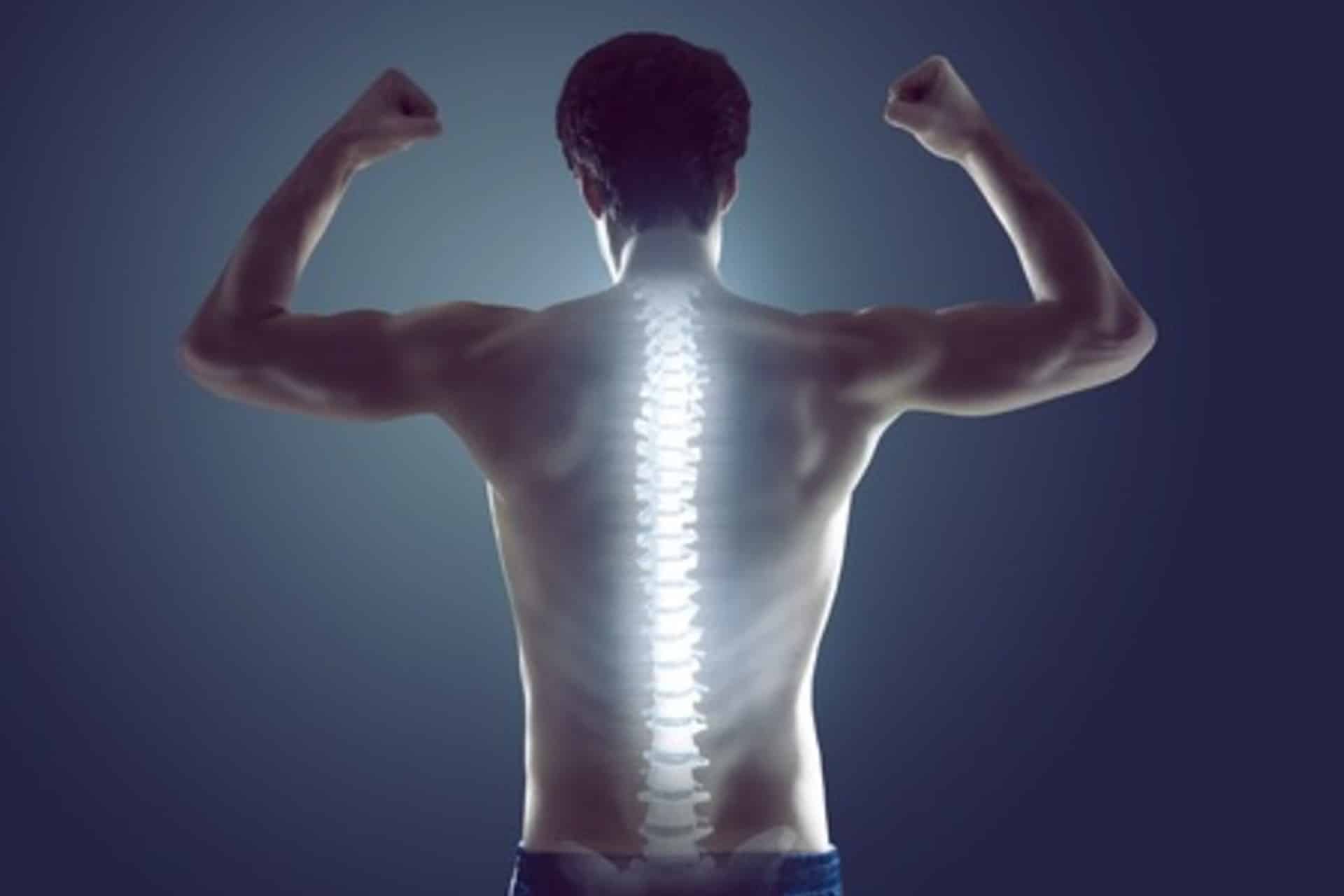
The hara line is a concept found in Japanese and energetic traditions. It is often described as a central inner axis that connects the lower abdomen, the heart, and the space above the head. The word hara refers to the abdominal center, traditionally associated with grounding, vitality, presence, and inner stability.
Rather than thinking of the hara line as a physical structure, it can be understood as a felt sense of alignment—a way of bringing the body, emotions, mind, and intention into greater coherence.
Returning to the Centre
Modern life often pulls our attention outward. We move between screens, responsibilities, conversations, and constant streams of information. As a result, we may feel scattered, ungrounded, or disconnected from our bodies.
Attention to the hara invites us to return to the lower abdomen. This area can become an anchor for awareness. Feeling the breath move gently through the belly, sensing the weight of the body, and noticing the support beneath us can help create a deeper sense of presence.
Grounding and Stability
The hara is traditionally associated with strength and balance. When attention rests in this centre, movement can feel less rushed and more deliberate. We may become more aware of how we stand, walk, breathe, and respond.
Grounding does not mean becoming rigid or emotionally closed. It means having enough inner stability to remain connected to yourself while meeting the demands of the outside world.
Aligning Thought, Feeling, and Action
The hara line can also be viewed as a pathway of alignment. At the lower centre, we connect with instinct and physical presence. At the heart, we connect with feeling, compassion, and relationship. Above the head, we connect with awareness, perspective, and meaning.
When these aspects work together, our actions can become more intentional. We are less likely to act only from impulse, fear, or abstract thought. Instead, we can consider what the body senses, what the heart feels, and what the mind understands.
A Simple Practice
Find a comfortable seated or standing position. Let your shoulders soften and allow your breathing to become natural.
Bring your attention to the area below your navel. Notice its warmth, movement, and weight. Imagine your awareness extending gently upward through the centre of your body, through the heart, and toward the top of the head.
There is no need to force a sensation or create a particular experience. Simply notice whether you feel more settled, connected, or present.
The hara line is ultimately an invitation to come home to yourself. It reminds us that balance is not found only in the mind. It is experienced through the whole body—in the breath, the posture, the emotions, and the quiet awareness of being here.