
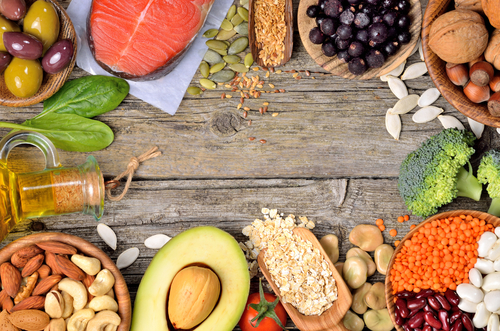
Eating real food is a vital component of achieving optimal health and well-being. Real food—typically defined as whole, unprocessed, and nutrient-dense—is essential for nourishing the body, boosting energy levels, and enhancing overall vitality. Here’s an exploration of why choosing real food is crucial for feeling your best and how to incorporate it into your daily life:
Benefits of Eating Real Food
1. Nutrient Density:
Real foods are packed with essential nutrients, including vitamins, minerals, fibre, and antioxidants. These nutrients support bodily functions, promote a healthy immune system, and provide the energy needed for daily activities.
2. Improved Energy Levels:
Whole foods provide sustained energy without the crashes associated with processed foods high in sugar and refined grains. By fueling your body with real food, you’ll experience increased energy and focus throughout the day.
3. Better Digestion:
Real foods, particularly fruits, vegetables, whole grains, and legumes, are rich in dietary fiber, which promotes healthy digestion, regularity, and gut health. A well-functioning digestive system is crucial for overall health.
4. Weight Management:
Eating real food can help regulate appetite and promote healthy weight management. Whole foods are typically more satiating, reducing the likelihood of overeating and snacking on unhealthy options.
5. Reduced Inflammation:
Many processed foods contain additives, preservatives, and unhealthy fats that can trigger inflammation in the body. Real foods, particularly those rich in omega-3 fatty acids and antioxidants, can help reduce inflammation and its associated risks.
6. Enhanced Mood and Mental Clarity:
The nutrients found in whole foods support brain health and emotional well-being. A balanced diet can lead to improved mood, reduced anxiety, and better cognitive function.
Tips for Incorporating Real Food into Your Diet
1. Focus on Whole Foods:
Prioritise fruits, vegetables, whole grains, lean proteins, nuts, and seeds. Aim to fill your plate with a variety of colorful, whole foods to maximise nutrient intake.
2. Minimise Processed Foods:
Reduce the consumption of processed and packaged foods that are high in sugar, unhealthy fats, and additives. Read labels to identify and limit these items in your diet.
3. Plan and Prepare Meals:
Take time to plan your meals for the week, focusing on incorporating real foods. Preparing meals at home allows you to have complete control over what you eat and helps avoid convenience foods.
4. Eat Seasonally:
Choose seasonal produce to ensure you’re consuming fresh, flavorful, and nutrient-dense options. Seasonal eating can also support local agriculture and reduce your carbon footprint.
5. Stay Hydrated:
Drink plenty of water, as hydration is an essential aspect of overall health. Sometimes, feelings of hunger can be mistaken for thirst, so stay mindful of your water intake.
6. Listen to Your Body:
Pay attention to how different foods make you feel. Choose real foods that leave you feeling energised and satisfied rather than sluggish or bloated.
Eating real food is fundamental to feeling your best and nurturing overall health. By prioritising whole, unprocessed foods and incorporating them into your daily meals, you can enhance your energy levels, support digestion, manage weight, and cultivate a positive mood. This commitment to real food not only promotes physical well-being but also empowers you to live a more vibrant and fulfilling life!