
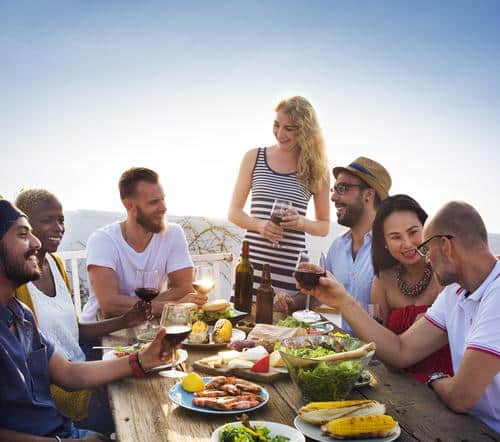
Prosocial prepping is the practice of preparing for uncertainty in ways that strengthen community rather than encouraging fear, isolation, or competition.
It recognises that emergencies are rarely faced alone. Whether the challenge is a power outage, natural disaster, economic disruption, or public health crisis, our safety depends not only on personal supplies but also on trust, cooperation, and shared skills.
Beyond Individual Survival
Traditional prepping often focuses on individual protection: storing food, water, equipment, and emergency supplies. These preparations can be useful, but they are only part of resilience.
Prosocial prepping asks broader questions:
- Who might need support?
- What skills exist within the community?
- How can resources be shared fairly?
- Who may be especially vulnerable during a crisis?
Preparedness becomes an act of care rather than fear.
Building Relationships Before Crisis
Strong communities are built before they are needed. Getting to know neighbours, joining local groups, learning who has medical or practical skills, and creating reliable communication networks can make a significant difference during an emergency.
A familiar face and a trusted relationship can be as valuable as equipment. Connection reduces panic and helps people respond with greater clarity.
Sharing Skills and Resources
Prosocial prepping includes learning practical skills such as first aid, cooking without electricity, growing food, repairing basic items, conserving water, and communicating during disruption.
It also means sharing knowledge rather than keeping it private. A community becomes more resilient when many people can contribute, teach, and support one another.
Preparing with Compassion
Preparedness should include people with different abilities, ages, health needs, and access to resources. A plan that only works for the strongest or wealthiest members of a community is incomplete.
Compassionate preparation considers medication, mobility, communication, pets, children, older people, and those who may be isolated.
Prosocial prepping is not about expecting the worst. It is about strengthening the relationships, skills, and systems that help people meet difficulty together.
The goal is not simply to survive a crisis as an individual, but to help create a community where more people can remain safe, supported, and connected.