
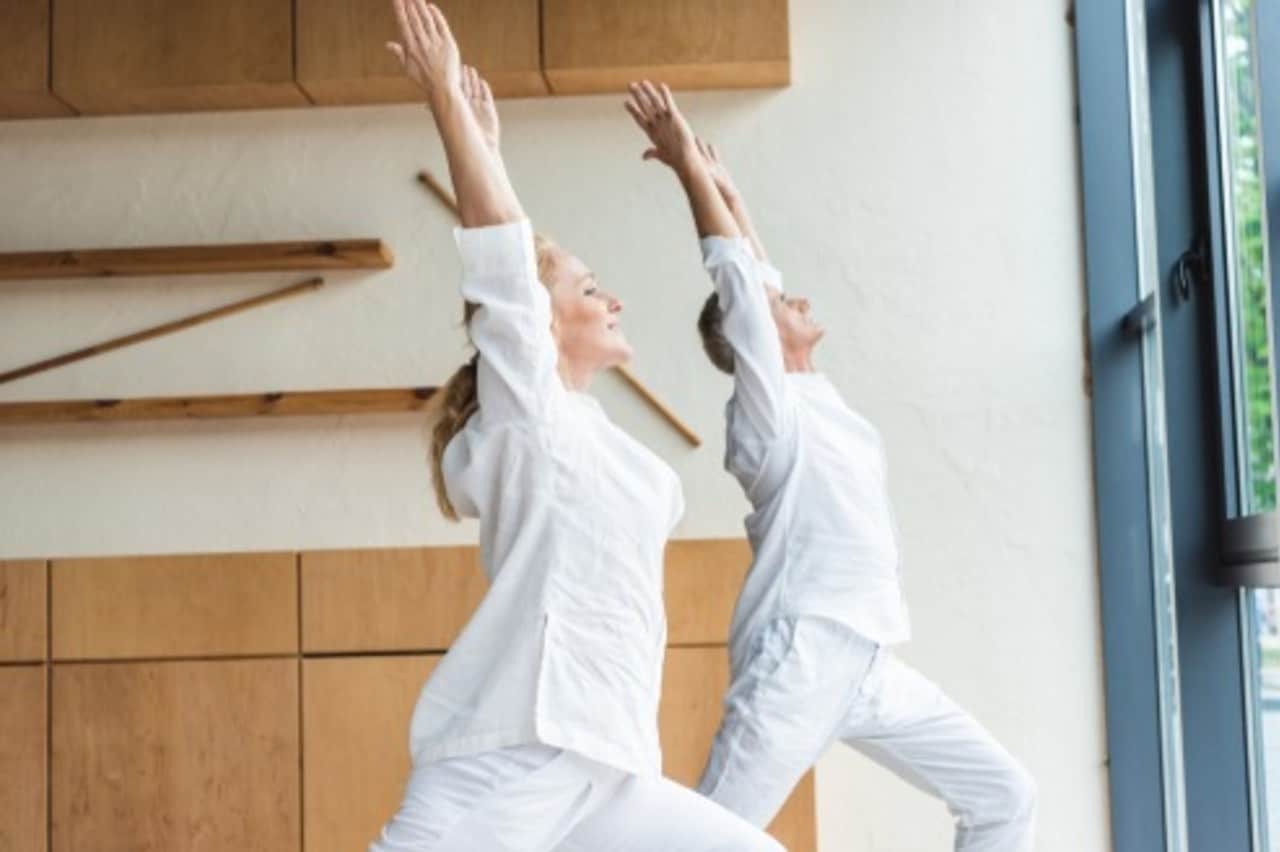
Primal movement is not about returning to a prehistoric state; it is about reclaiming the natural, functional patterns of movement that our bodies were designed for. In a world where we spend hours sitting in chairs, looking at screens, and moving in repetitive, limited ways, we have lost touch with the fluidity and strength that define our human capacity.
Primal movement focuses on fundamental patterns—crawling, squatting, lunging, pushing, pulling, and rotating. These are not just “exercises”; they are the foundational movements that allow us to interact with the world with ease and resilience.
Reconnecting with Biological Intelligence
Our bodies are not machines that need to be “worked out”; they are complex, adaptive organisms that need to be “moved.” When we engage in primal movement, we are not just strengthening muscles; we are communicating with our nervous system.
These movements require coordination, balance, and sensory integration. By practicing them, you are essentially “re-mapping” your nervous system, reminding your body of its own capabilities. This is particularly powerful for those who feel disconnected from their physical selves, as it provides a direct, tangible way to build body intelligence and proprioception.
Moving from Bracing to Flow
One of the primary consequences of chronic stress is physical bracing—holding tension in the shoulders, jaw, and core. This “armor” limits our range of motion and keeps us trapped in a state of survival.
Primal movement encourages a different approach. It asks you to move in ways that require the entire body to cooperate, which naturally helps release those habitual patterns of tension. When you move through a full range of motion, you are signaling to your nervous system that it is safe to let go of that protective bracing. You are moving from a state of static defense to a state of dynamic flow.
The Joy of Functional Play
Modern exercise often feels like a chore—something we do to burn calories or meet a goal. Primal movement, by contrast, invites a sense of play. When you practice crawling or rotating, you are tapping into the same curiosity that children use to explore their environment.
This shift from “performance” to “exploration” is essential for your mental well-being. It removes the pressure to be perfect and replaces it with the desire to be present. You aren’t trying to hit a number; you are trying to feel the way your body moves, the way your weight shifts, and the way your breath supports your actions. This is the essence of living in your body rather than just inhabiting it.
How to Start
You don’t need a gym or fancy equipment to start. Primal movement is about exploring your own floor space.
- Start Small: Begin with simple transitions. Can you move from a seated position to a squat? Can you reach overhead while keeping your spine long? Focus on the quality of the movement, not the intensity.
- Listen to Your System: If a movement feels forced or painful, stop. The goal is to build ease, not to push through resistance. If your nervous system feels overwhelmed, choose a simpler movement that allows you to breathe deeply and stay grounded.
- Make it a Daily Ritual: You don’t need an hour-long session. Five minutes of intentional movement—rolling on the floor, stretching your spine, or practicing a lunge—is enough to reset your nervous system and bring you back into your body.
Primal movement is an invitation to stop treating your body like an object and start treating it like a partner. It is a way to honor the intelligence of your own biology and to reclaim the freedom of movement that is your natural birthright. You don’t have to be an athlete to move well; you just have to be willing to be curious, to be present, and to let your body lead the way. Start by finding a little space on the floor today, and see what happens when you give your body the freedom to explore its own potential.