
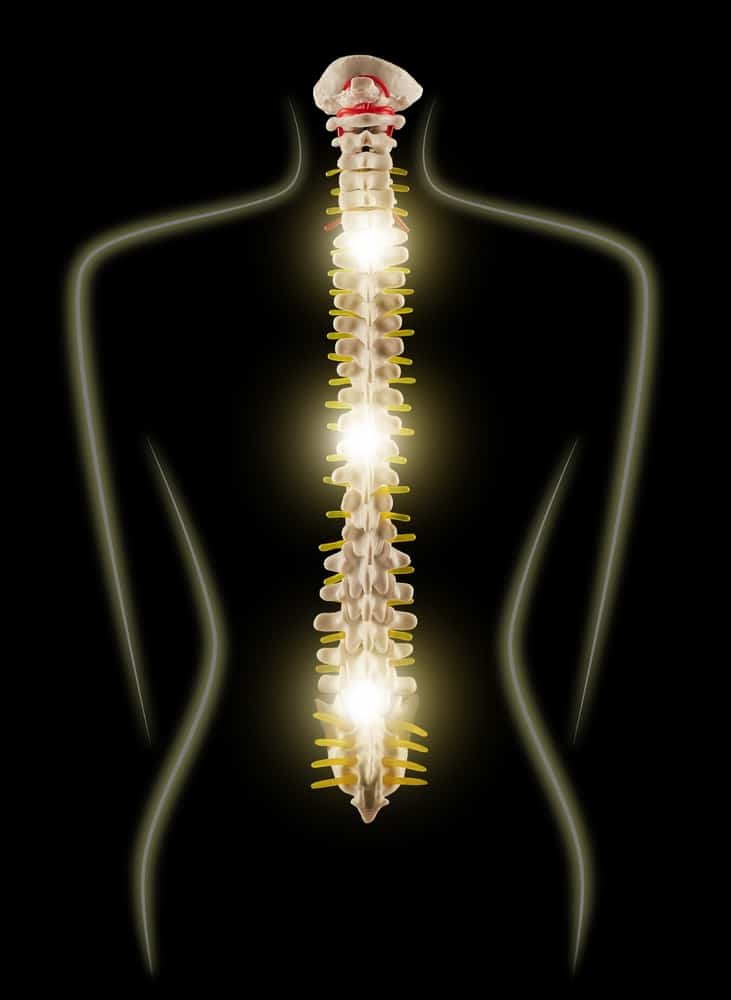
The concept of posture being neurological refers to the idea that the way we hold our bodies is influenced by the nervous system, which governs the body’s movement and overall functioning. Posture is not just a physical state; it involves complex interactions between the brain, spinal cord, and muscles, all of which are controlled by the nervous system. Here are several reasons why posture is considered to have a neurological basis:
1. Nervous System Control
Neuromuscular Coordination: Posture is maintained through the coordination of muscles, which is regulated by the nervous system. The brain and spinal cord send signals to muscles to contract and relax, allowing us to maintain balance and stability.
Proprioception: Proprioceptors in our muscles, tendons, and joints provide the brain with information about body position and movement. This sensory feedback is crucial for adjusting posture in response to changes in the environment or body position.
2. Automatic Responses
Reflexes: The nervous system controls automatic reflexes that help maintain posture. For example, if you lose your balance, your body reflexively adjusts to prevent falls, demonstrating the immediate response of the neuromuscular system to maintain stability.
Postural Tone: The central nervous system (CNS) helps regulate postural tone, which is the readiness of muscles to respond to changes in body position. This tone is influenced by various neurological inputs, helping you stay upright or adjust your posture dynamically.
3. Brain Function and Posture
Motor Cortex Activity: The brain’s motor cortex is involved in planning and executing movements, including maintaining posture. Different regions of the brain coordinate to ensure that posture is appropriate for various activities, whether sitting, standing, or walking.
Integration of Sensory Information: The brain integrates information from multiple sensory sources (visual, vestibular, and proprioceptive) to determine the best posture for a given situation. This integration relies on the functioning of the nervous system.
4. Emotional and Psychological Connections
Body Language and Emotion: Posture often reflects emotional states and psychological well-being. For example, slouched shoulders may indicate low confidence or sadness, while an upright posture may convey confidence and readiness.
The Mind-Body Connection: The neurological basis of posture extends to how emotions and moods can influence bodily positioning. Stress and anxiety can lead to tension in the body, affecting posture, while positive emotions may promote more open and relaxed postures.
5. Impact of Posture on Neurological Function
Breathing and Blood Flow: Poor posture can impact breathing efficiency and circulation. A slouched position can compress the diaphragm and reduce lung capacity, affecting oxygen intake and, consequently, brain function.
Cognitive Function: Research suggests that posture can influence cognitive functions, such as focus, alertness, and memory. Good posture can enhance mental clarity and alertness, while poor posture may lead to fatigue and distraction.
6. Therapeutic Implications
Posture Correction: Therapeutic practices, such as spinal flow care and body-awareness techniques like yoga, often focus on improving posture to enhance overall neurological function and well-being.
Mindfulness Practices: Mindfulness and body awareness practices can help individuals become more aware of their posture and its impact on their mental and emotional states, fostering a positive feedback loop between posture and psychological health.
Posture is intrinsically linked to neurological function, influencing and being influenced by the body’s nervous system. Understanding the neurological basis of posture can help individuals recognise the importance of maintaining healthy body mechanics for overall well being. By being mindful of posture and its impact on both physical and psychological health, individuals can foster greater resilience, improvement in mental clarity, and emotional balance.