
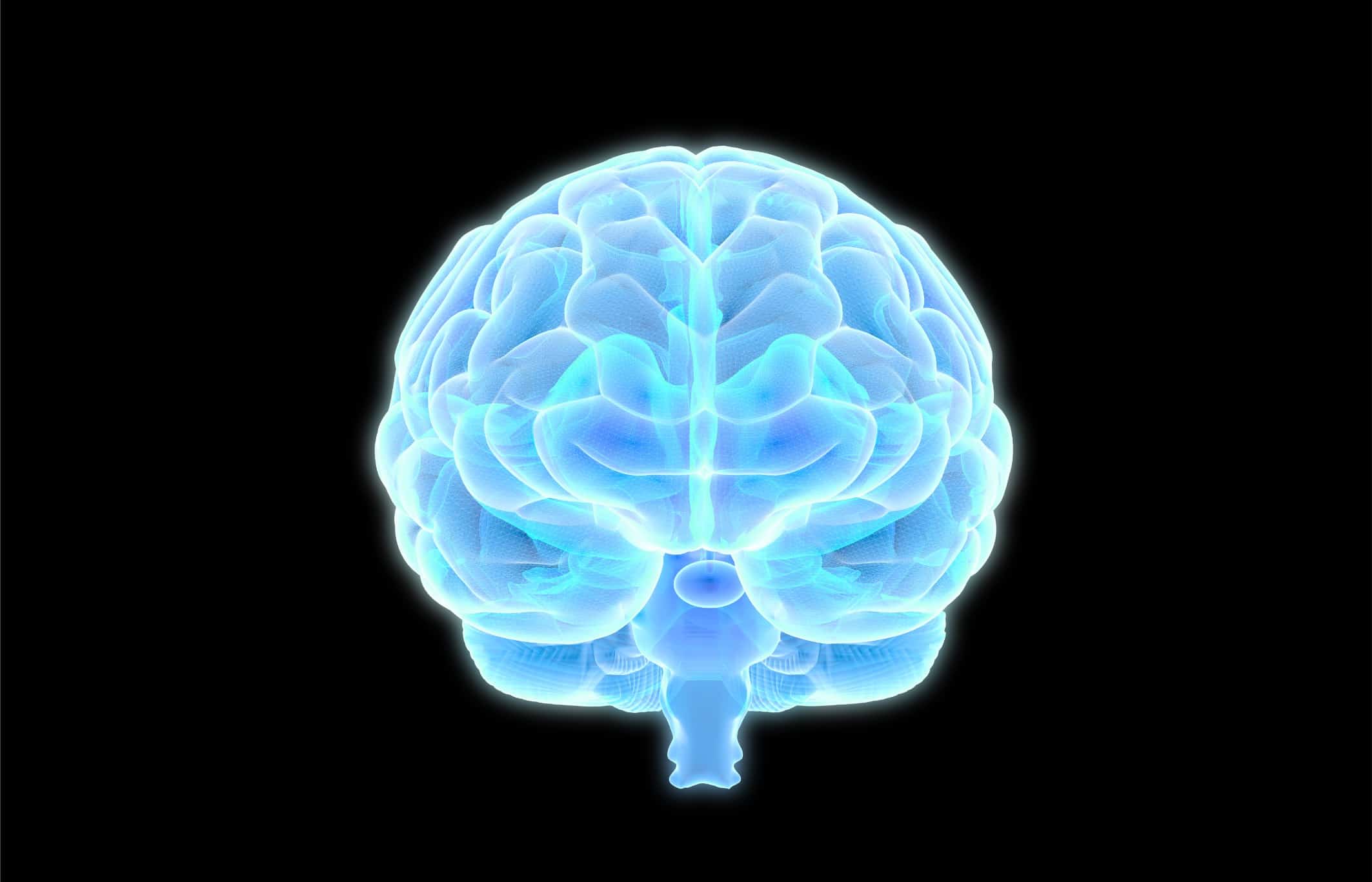
The phrase “nerve cells that fire together wire together” is a concept that reflects a fundamental principle of neuroscience known as Hebbian plasticity. This idea emphasises the relationship between neural activity and the strengthening of synaptic connections, which plays a crucial role in learning, memory, and overall brain function. Here’s an exploration of this principle and its implications:
Understanding the Concept
1. Neural Activity and Connectivity:
When two or more neurons repeatedly activate simultaneously, the connections (synapses) between them become stronger. This leads to increased efficiency in communication within neural circuits—a process often summarised by the phrase “cells that fire together, wire together.”
2. Learning and Memory:
Hebbian plasticity is crucial for learning new information and forming memories. As we engage in experiences or practice skills, the corresponding neural pathways become strengthened, making it easier to recall information or perform tasks in the future.
Implications of the Concept
1. Skill Acquisition:
This principle explains why practice is essential for developing skills. For instance, when learning to play a musical instrument or mastering a new language, repeated practice leads to the synchronisation of neural networks involved in those skills, resulting in improved performance over time.
2. Behavioural Conditioning:
The firing-together principle plays a role in behavioural conditioning, such as Pavlov’s classical conditioning. By creating associations between stimuli, specific neural pathways are reinforced, influencing behaviour.
3. Neuroplasticity:
The concept highlights brain adaptability. The brain’s ability to change and reorganise itself in response to experiences (neuroplasticity) is a foundational aspect of mental health and recovery from injury. For instance, rehabilitation after a stroke might involve re-establishing connections through practice and repetition.
4. Impact on Mental Health:
Understanding this principle can also shed light on certain mental health conditions. In conditions like anxiety or depression, maladaptive neural connections may form based on negative experiences. Recognising these patterns and retraining the brain, through techniques such as cognitive-behavioural therapy (CBT), can help rewire unhealthy thought processes.
Enhancing Neural Connections
1. Practice and Repetition:
Engage in regular practice to strengthen neural pathways associated with desired skills or activities. Deliberate repetition helps reinforce connections.
2. Mindfulness and Reflection:
Incorporate mindfulness practices to enhance awareness of thoughts and emotions. This can help strengthen positive neural pathways and reduce maladaptive ones.
3. Engagement in New Experiences:
Challenge your brain by trying new activities and learning opportunities. Novel experiences stimulate the formation of new connections and enhance overall brain plasticity.
4. Healthy Lifestyle Choices:
Maintain a healthy lifestyle that includes regular physical activity, balanced nutrition, and adequate sleep. These factors support brain health and improve cognitive function.
The principle of “nerve cells that fire together wire together” underscores the dynamic nature of the brain and its ability to adapt and learn. By engaging in activities that reinforce positive neural connections, individuals can enhance their learning, skills, and overall cognitive function. Understanding this concept also opens up pathways for personal development, rehabilitation, and mental wellness.