
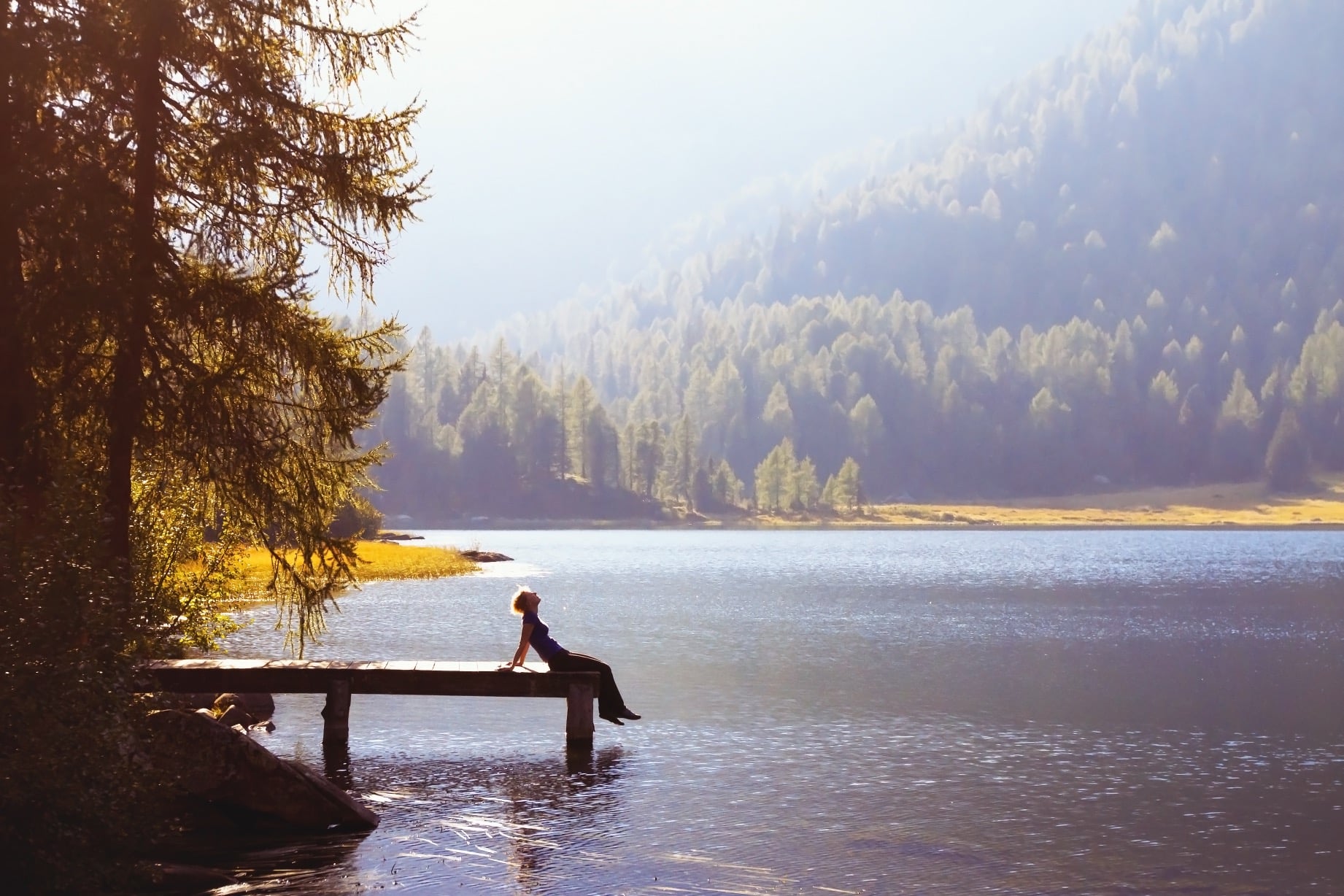
Spending time in nature is one of the most effective and accessible ways to improve your physical, mental, and emotional health. Often referred to as “nature therapy” or “ecotherapy,” the benefits of reconnecting with the natural world are backed by a growing body of research.
Here is an exploration of the key benefits of spending time in nature:
1. Mental Health and Stress Reduction
Lowering Cortisol: Studies consistently show that spending time in green spaces reduces levels of cortisol, the body’s primary stress hormone.
Alleviating Anxiety and Depression: Nature provides a sense of perspective and calm that can help quiet the “mental chatter” associated with anxiety and ruminative thoughts.
Restoring Attention: Nature helps combat “attention fatigue.” The soft, effortless fascination of natural patterns (like leaves moving or water flowing) allows your brain’s directed-attention circuits to rest and recharge.
2. Physical Health Benefits
Boosting the Immune System: Spending time in forests—often called “forest bathing” or shinrin-yoku—exposes you to phytoncides, which are essential oils emitted by trees. Breathing these in has been shown to increase the activity of natural killer (NK) cells in the human immune system, which help fight off infections and viruses.
Lowering Blood Pressure and Heart Rate: The natural environment promotes a parasympathetic nervous system response (the “rest and digest” state), which naturally lowers blood pressure and heart rate.
Improving Sleep: Exposure to natural light, particularly in the morning, helps regulate your circadian rhythm, making it easier to fall asleep and stay asleep at night.
3. Emotional and Spiritual Well-Being
Fostering Awe: Nature is a primary source of “awe”—the feeling of being in the presence of something vast that transcends your current understanding. Awe is known to reduce feelings of self-importance and increase feelings of connection to something larger than oneself.
Enhancing Mood: Simply being near green space or bodies of water has been linked to higher levels of serotonin, the neurotransmitter associated with happiness and mood regulation.
Grounding: Nature provides a sensory-rich environment that helps you “get out of your head” and back into your body, making it a perfect setting for grounding practices.
4. Increased Creativity and Problem Solving
Breaking Mental Blocks: A change of scenery, especially one that is quiet and expansive, can trigger the “default mode network” in the brain. This is the state where your mind is at rest but still active, which is often when the most creative insights and “aha!” moments occur.
Tips for Maximising Your Time in Nature
Unplug: To get the full benefits, try to leave your devices behind or keep them in your bag. The constant stimulation of digital devices can counteract the calming effects of the natural world.
Engage Your Senses: Don’t just walk through nature—notice it. Listen to the birds, feel the texture of bark, smell the damp earth, and observe the play of light through the trees.
Make it Consistent: You don’t need a weekend-long hiking trip to see results. Even 20 minutes in a local park or your own backyard can significantly lower stress markers.
Practice Presence: Use your time outdoors to practice mindfulness. When your mind wanders to your to-do list, gently bring your focus back to the sensation of the wind on your skin or the sound of your footsteps.
Spending time in nature is a fundamental human need that we often overlook in our modern, indoor-focused lives. By intentionally carving out time to be outside, you aren’t just taking a break; you are actively supporting your nervous system, boosting your immunity, and nurturing your spirit.