
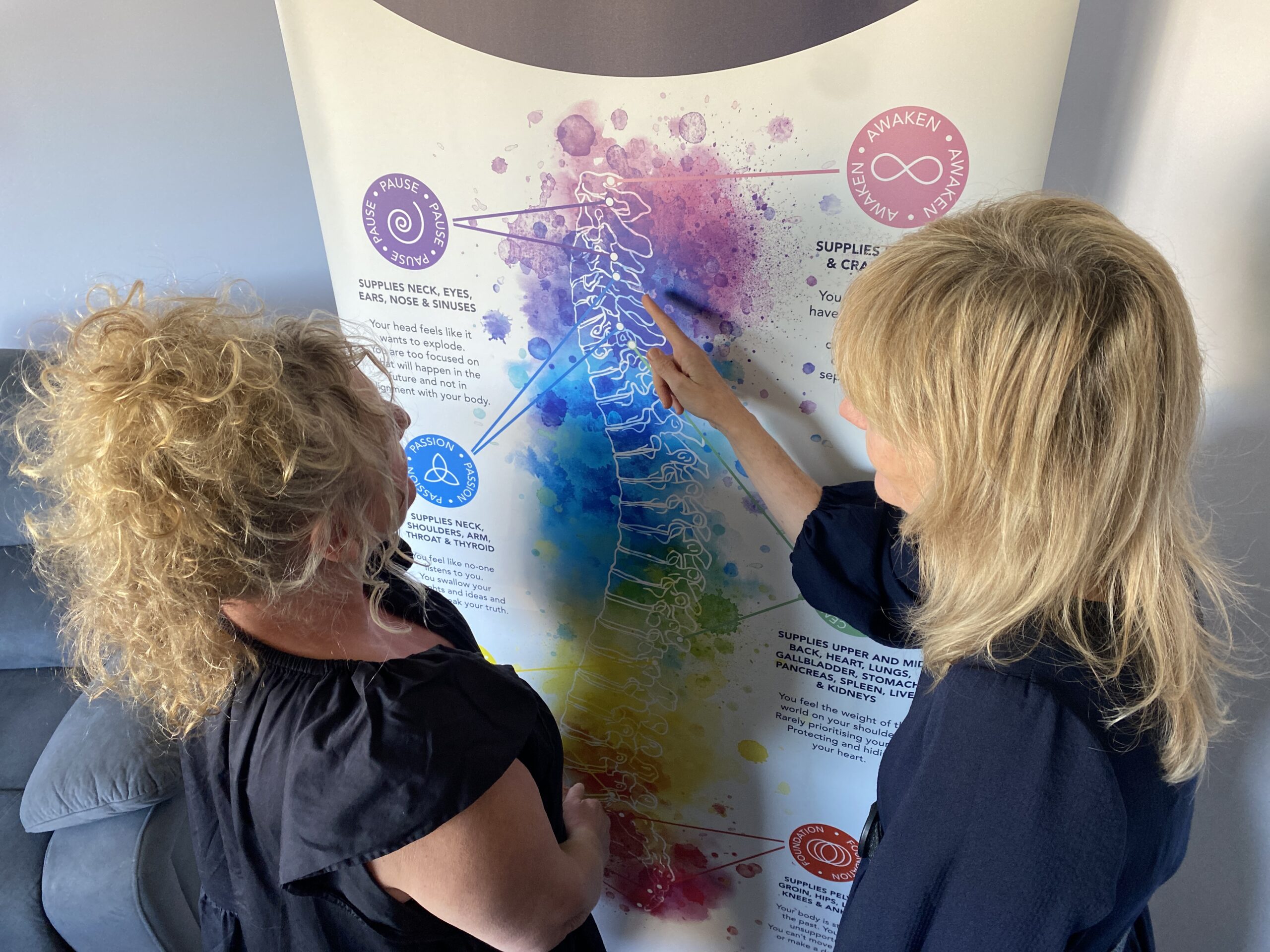
The spine is a central structure in the body, providing support, flexibility, and protection for the spinal cord and nervous system. It is also believed to be a significant area where stress and emotional tension can accumulate.
Understanding how stress manifests and is stored in the spine can provide insights into physical and emotional well-being. Here’s an exploration of the layers of stress that can be stored in the spine and how they may affect us:
1. Physical Stress
Muscle Tension:
- Stress often leads to muscle tension, particularly in the back, neck, and shoulders. Prolonged tension can create discomfort and pain, resulting in a cycle of stress and physical discomfort.
- Chronic muscle tension can lead to postural issues, restricted movement, and increased pressure on spinal structures. This can contribute to headaches, migraines, and discomfort in other areas of the body.
Injury and Trauma:
- Past physical injuries or trauma can cause stress to be held in the spine. This may include accidents, falls, or repetitive strain injuries.
- Injuries can create compensatory patterns in movement, leading to further tension and stress in the spine as the body adjusts to protect the affected area.
2. Emotional Stress
Emotional Holding:
- The spine is often considered a storage site for unresolved emotions. Feelings such as anxiety, fear, anger, or sadness can manifest as physical tension in the spine.
- This emotional holding can lead to discomfort and pain, particularly in the lower back and neck. It may also affect overall posture and mobility.
Psychosomatic Responses:
- Stress and emotions can manifest physically in the body. This phenomenon, known as psychosomatic response, can create a feedback loop where emotional distress leads to physical tension, which in turn exacerbates emotional stress.
- Chronic stress stored in the spine can lead to conditions such as tension headaches, back pain, and even digestive issues due to the close connection between the nervous system and the body’s organs.
3. Energetic Stress
Chakras and Energy Centres:
- In various healing traditions, such as yoga and Reiki, the spine is viewed as an energy conduit, with chakras or energy centers aligned along its length. Blockages in these energy centers can represent stored stress and emotions.
- When energy is stagnant or blocked in the spine, it can lead to feelings of lethargy, disconnection, and imbalances in emotional and physical health.
Vitality and Life Force:
- Stress can disrupt the flow of vital energy (often referred to as chi, prana, or life force) within the body. When this energy is restricted, it may result in fatigue, decreased motivation, and a sense of being overwhelmed.
- A compromised flow of life force can lead to chronic conditions, decreased immunity, and overall feelings of dis-ease.
4. Addressing Stress Stored in the Spine
To address and release the layers of stress stored in the spine, consider the following approaches:
Bodywork and Massage:
- Spinal Flow care and therapeutic massage can help release muscle tension and realign the spine, facilitating the release of stored stress.
Yoga and Stretching:
- Engaging in yoga or gentle stretching can promote flexibility, improve posture, and help release tension in the spine. Specific poses can target areas of stress and encourage relaxation.
Mindfulness and Meditation:
- Mindfulness practices can help individuals become aware of their body’s sensations and stored tension. Meditation can also facilitate emotional release and promote relaxation.
Breathwork:
- Conscious breathing techniques can help relax the nervous system and release tension held in the spine and other areas of the body. Breathwork fosters greater body awareness and emotional clarity.
Therapy and Emotional Processing:
- Seeking support from a therapist or counsellor can help individuals process unresolved emotions that may be contributing to physical stress in the spine. Techniques such as somatic therapy can specifically address the mind-body connection.
The spine is a critical area where layers of stress can accumulate, influencing our physical and emotional well-being. By acknowledging and addressing the stress stored in the spine, we can promote healing, enhance our quality of life, and cultivate a greater sense of balance and well-being. Engaging in practices that support both physical and emotional health can help us release tension and move towards a more harmonious state of being.