
Removing inflammation from the body involves a combination of lifestyle changes, dietary adjustments, and natural remedies that promote overall health and well-being. Here are several effective strategies to help reduce inflammation:
Dietary Changes
1. Anti-Inflammatory Foods:
Incorporate foods rich in antioxidants and omega-3 fatty acids, such as:
- Fatty fish (salmon, mackerel, sardines)
- Fruits (berries, cherries, oranges)
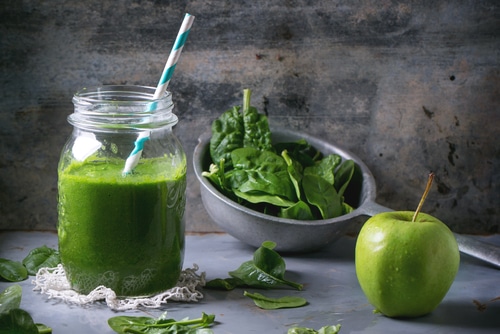
- Vegetables (leafy greens, broccoli, bell peppers)
- Nuts and seeds (walnuts, flaxseeds, chia seeds)
- Olive oil and avocados.
2. Limit Inflammatory Foods:
Reduce or eliminate processed foods, refined sugars, trans fats, and excessive saturated fats. These foods can promote inflammation and contribute to chronic health issues.
3. Increase Fiber Intake:
High-fiber foods like whole grains, legumes, fruits, and vegetables can support gut health and help reduce inflammation.
4. Hydration:
Stay well-hydrated by drinking plenty of water. Proper hydration supports overall health and can assist in flushing out toxins.
Lifestyle Modifications
1. Regular Exercise:
Engage in regular physical activity, such as walking, jogging, swimming, or yoga. Exercise helps reduce inflammation by promoting circulation and supporting metabolic health.
2. Stress Management:
Chronic stress can exacerbate inflammation. Incorporate stress-reduction techniques such as mindfulness meditation, deep breathing exercises, or hobbies that bring joy.
3. Quality Sleep:
Prioritise good sleep hygiene to ensure adequate rest and recovery. Aim for 7-9 hours of quality sleep per night, as poor sleep can contribute to increased inflammation.
4. Avoid Smoking and Limit Alcohol:
If you smoke, seek support to quit, as smoking is a major contributor to inflammation. Additionally, limit alcohol consumption to moderate levels.
Natural Remedies
1. Turmeric and Ginger:
These spices are known for their anti-inflammatory properties. Incorporating turmeric (curcumin) and ginger root into meals or beverages can help combat inflammation.
2. Omega-3 Supplements:
If dietary sources are insufficient, consider omega-3 supplements. These beloved fats are found in fish oil and can help reduce inflammation throughout the body.
3. Probiotics:
Consuming probiotic-rich foods (such as yogurt, kefir, and fermented foods) can promote gut health, which is linked to reduced inflammation.
Monitoring and Consulting
1. Assess Food Sensitivities:
Some individuals may have sensitivities that trigger inflammation. Consider an elimination diet or consult with a healthcare provider for assistance in identifying problematic foods.
2. Consult a Healthcare Provider:
If inflammation is chronic or associated with specific health conditions, seek guidance from a healthcare provider or nutritionist. They can recommend personalised strategies and treatments.
Reducing inflammation in the body involves a multi-faceted approach, including dietary changes, regular exercise, stress management, and natural remedies. By adopting these strategies, individuals can enhance their overall health and well-being, leading to a more balanced and vibrant life.