
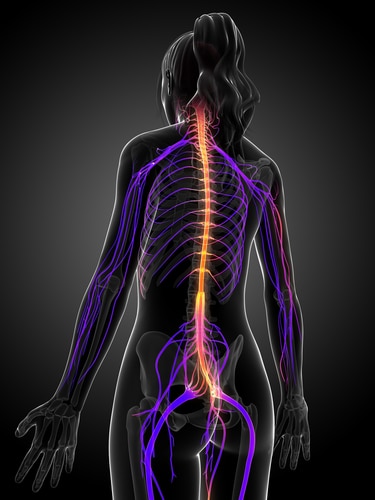
Spinal misalignment occurs when the vertebrae of the spine are displaced from their normal position. This can lead to a range of issues, including pain, reduced mobility, and nerve interference.
Understanding the causes of spinal misalignment can help you take preventive measures and seek care.
1. Poor Posture
Sedentary Lifestyle:
Long hours spent sitting—especially in front of computers—can lead to slouching and improper alignment.
Incorrect Ergonomics:
Using furniture that isn’t designed for comfort or support, such as chairs that are too low or desks that are too high, can contribute to spinal misalignment.
2. Injuries and Trauma
Accidents:
Falls, car accidents, or sports-related injuries can cause immediate spinal misalignment.
Repetitive Strain:
Repeated movements, particularly in sports or certain occupations, can lead to micro-traumas that accumulate over time, affecting spinal alignment.
3. Muscle Imbalances
Weakness and Tightness:
Imbalances between muscle groups can pull the spine out of alignment. For example, tight hip flexors and weak glute muscles can lead to an anterior pelvic tilt, affecting overall spinal posture.
Inadequate Core Strength:
A weak core can fail to provide adequate support to the spine, leading to misalignment.
4. Lifestyle Factors
Stress:
Chronic stress can lead to tension in the muscles, particularly in the neck and back, contributing to misalignment.
Inactivity:
Lack of physical activity can result in weakened muscles and reduced flexibility, making it easier for the spine to become misaligned.
5. Structural Issues
Congenital Conditions:
Some individuals may be born with structural abnormalities in their spine that predispose them to misalignment.
Degenerative Conditions:
Conditions like osteoarthritis, scoliosis, or disc degeneration can alter the natural alignment of the spine over time.
6. Footwear and Gait
Improper Footwear:
Wearing shoes that lack proper support or that are ill-fitting can affect posture and spinal alignment. High heels, for example, can shift the body’s centre of gravity, leading to misalignment.
Gait Abnormalities:
Issues with walking patterns can contribute to uneven stress on the spine and surrounding muscles, leading to misalignment.
Spinal misalignment can result from a combination of factors, including poor posture, injuries, muscle imbalances, lifestyle choices, structural issues, and footwear. Recognising these causes is crucial for prevention and management.
Maintaining good posture, staying active, and getting regular spinal flow care can significantly reduce the risk of misalignment and its associated problems. Taking proactive steps to care for your spine can lead to improved overall health and well-being.