
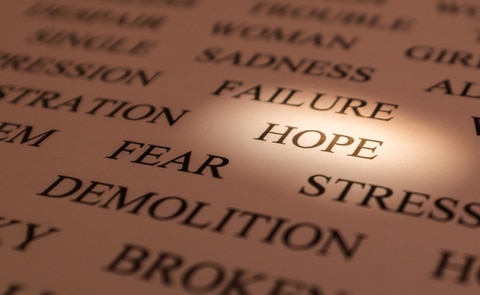
Health anxiety or hypochondria, involves excessive worry or fear about having a serious illness or health condition. This fear can significantly impact a person’s quality of life, relationships, and overall well-being. Here’s a deeper exploration of health fear, its causes, manifestations, and strategies for managing it:
Understanding Health Anxiety
1. Definition:
Health anxiety refers to an overwhelming concern about one’s health that is disproportionate to the actual risk or condition. You may frequently worry about symptoms, research medical conditions obsessively, or seek reassurance from healthcare professionals.
2. Manifestations:
Physical Symptoms: You may experience physical symptoms such as increased heart rate, sweating, nausea, or other stress-related symptoms due to your anxiety about your health.
Constant Checking: Those with health fear may repeatedly check for signs of illness, such as monitoring their body for symptoms, constantly researching diseases, or seeking medical tests.
Avoidance: Some people may avoid situations they perceive as risky to their health, such as social gatherings, certain foods, or physical activities.
Causes of Health Fear
1. Past Experiences:
Previous illnesses or health crises can heighten sensitivity to health fears. Traumatic health experiences, such as a serious illness or loss of a loved one to a health condition, can contribute to ongoing anxiety about health.
2. Personality Traits:
People with certain personality traits, such as being overly conscientious, perfectionistic, or prone to anxiety, may be more susceptible to health fears.
3. Cultural and Social Influences:
Social factors, including media portrayals of health issues, peer discussions about illness, or societal pressures regarding health and appearance, can increase fear and anxiety about health.
4. Health Education:
While health education is important, excessive exposure to medical information or health-related content can fuel anxiety, leading to hyper-awareness of bodily sensations and potential conditions.
Managing Health Fear
1. Awareness and Acknowledgment:
Recognise and acknowledge the fear without judgement. Understanding that these feelings are valid but not necessarily based on reality can be a critical first step.
2. Limit Information Consumption:
Reduce the amount of health-related information you consume, especially from unreliable sources or social media. Set boundaries on how often you search for information about health concerns.
3. Challenge Negative Thoughts:
Practice cognitive restructuring by identifying and challenging irrational thoughts about health. Reframe negative assumptions with more balanced and realistic perspectives.
Example: Instead of thinking, “I have to have a serious illness,” reframe it to, “I might be feeling anxious, but my symptoms could be related to stress.”
4. Engage in Mindfulness and Relaxation:
Mindfulness practices, such as spinal flow care, meditation, deep breathing, or yoga, can help reduce anxiety and promote a sense of calm. These practices encourage focusing on the present moment rather than worrying about health.
5. Seek Professional Support:
Consider talking to a Spinal Flow Practitioner or counsellor who specialises in anxiety and health-related issues.
They can help you develop coping strategies, challenge irrational thoughts, and address the root causes of your anxiety.
6. Establish Healthy Routines:
Focus on maintaining a healthy lifestyle through balanced nutrition, regular physical activity, and adequate sleep. Engaging in self-care can promote overall well-being and reduce anxiety.
7. Limit Health Check-Ups:
If you find yourself frequently seeking medical reassurance, consider setting limits on how often you visit healthcare professionals for non-urgent concerns. Trust in your healthcare provider and learn to differentiate between real health concerns and anxiety-driven fears.
8. Connect with Others:
Share your feelings with trusted friends or loved ones. Building a support network can help alleviate feelings of isolation and provide reassurance.
Health fear can significantly impact well-being, but it is possible to manage and overcome these fears through awareness, practical strategies, and professional support. By recognising the underlying causes of health anxiety and implementing effective coping techniques, you can cultivate a healthier relationship with your body and alleviate excessive worry.