
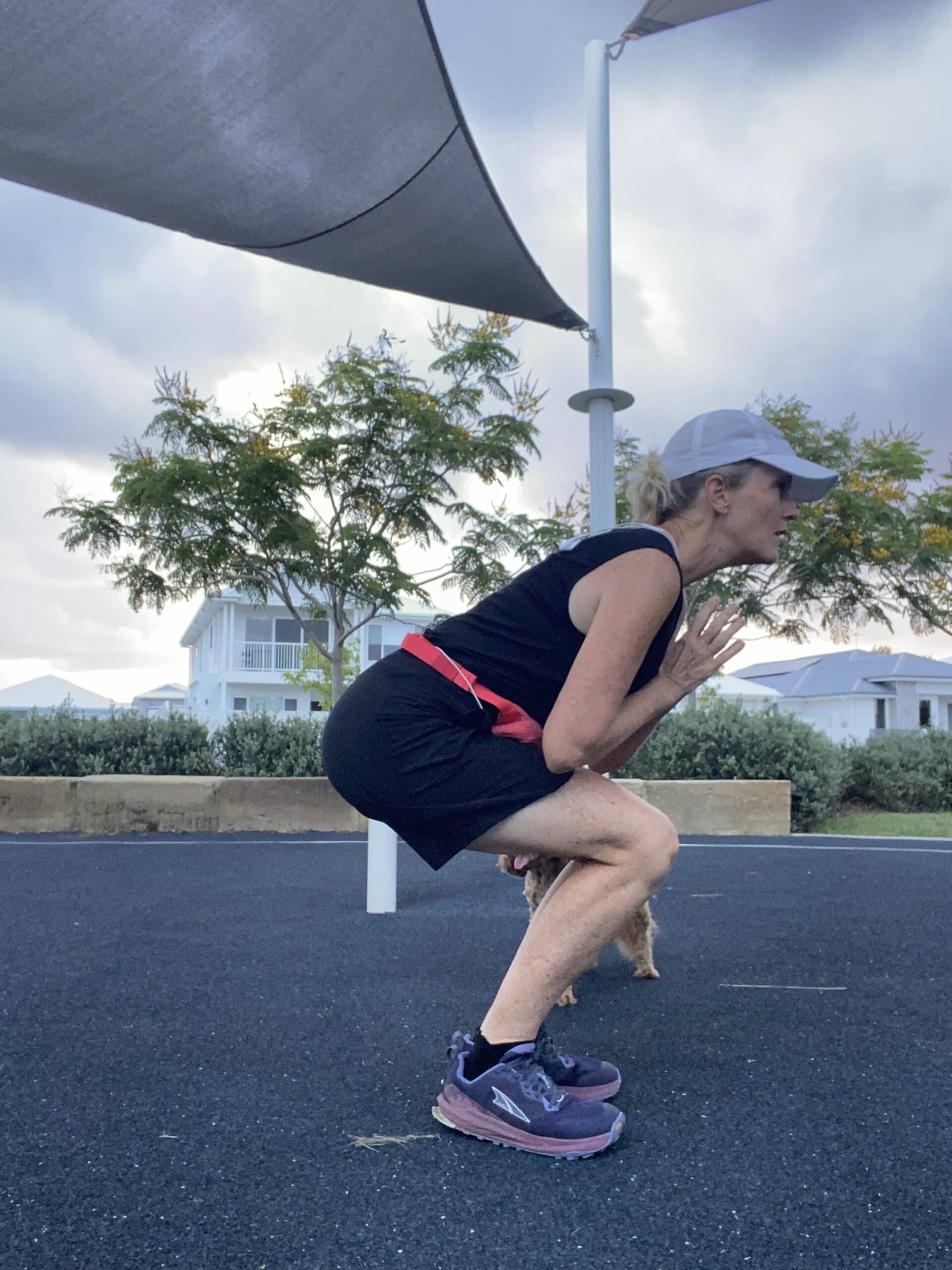
Squats are a fundamental exercise that offers numerous benefits, especially for aging individuals. This functional movement is crucial for maintaining strength, stability, and mobility as we age. Here’s an exploration of the importance of squats in aging and the benefits they provide:
Importance of Squats in Aging
1. Strengthening Major Muscle Groups:
Squats primarily engage large muscle groups, including the quadriceps, hamstrings, glutes, and calves. Strengthening these muscles is vital for everyday activities such as walking, climbing stairs, and rising from a seated position.
2. Improving Functional Mobility:
Squats mimic everyday movements and enhance functional mobility. By performing squats, older adults can improve their ability to perform daily tasks and maintain independence in their daily lives.
3. Enhancing Balance and Stability:
Squats promote balance and coordination by requiring engagement of core muscles and stabilisers in the hips and legs. Improved balance reduces the risk of falling, which is a significant concern for older individuals.
4. Joint Health:
When performed with proper form, squats help maintain joint health by promoting flexibility and range of motion in the knees and hips. Regular squatting can support joint lubrication and strengthen the connective tissues.
5. Preventing Sarcopenia:
Sarcopenia, or age-related muscle loss, is a common issue as individuals age. Strength training exercises like squats help counteract this process by stimulating muscle growth and maintenance.
6. Boosting Metabolism:
Engaging in strength training through squats can help increase metabolic rate and support weight management. Maintaining a healthy weight is important for overall health and reducing the risk of chronic diseases.
7. Hormonal Balance:
Resistance training exercises, including squats, can help promote hormonal balance by stimulating the release of hormones such as testosterone and growth hormone, which are important for muscle health and overall vitality.
8. Mental Well-Being:
Exercise, including squats, has been associated with improved mood and cognitive function. Physical activity can lead to the release of endorphins, reducing feelings of anxiety and depression.
How to Incorporate Squats Safely
Start Slow:
If new to squats, begin with bodyweight squats to ensure proper form before adding resistance.
Focus on Form:
Maintain proper alignment by keeping knees over ankles and avoiding excessive leaning forward. Consider using a chair or wall for support initially.
Use Variations:
Incorporate squat variations as strength and mobility improve, such as sumo squats, chair squats, or goblet squats, to keep the routine engaging and challenging.
Frequency:
Aim to include squats in your exercise routine at least 2-3 times a week, gradually increasing repetitions or resistance as strength progresses.
Listen to Your Body:
Pay attention to how your body responds. If you experience pain or discomfort, adapt the movement or consult a fitness professional for guidance.
Squats play a crucial role in promoting strength, balance, and functional mobility as we age. By incorporating squats into a regular exercise routine, older adults can enhance their physical health, maintain independence, and reduce the risk of falls and related injuries. This powerful exercise contributes to overall well-being and encourages a more active, fulfilling lifestyle in later years.