
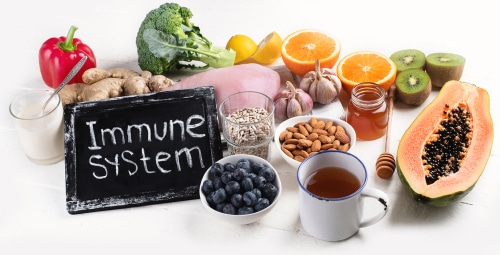
Healing your gut microbiome is essential for overall health and well-being, as the gut plays a crucial role in digestion, immune function, and even mental health. A balanced gut microbiome, which consists of a diverse community of beneficial bacteria, can promote better digestion, enhance immunity, and improve mood. Here’s a comprehensive guide on how to heal and support your gut microbiome:
1. Eat a Diverse and Balanced Diet
Incorporate Whole Foods: Focus on whole, unprocessed foods, including fruits, vegetables, whole grains, lean proteins, and healthy fats. A varied diet provides essential nutrients and promotes microbial diversity.
Prebiotic Foods: Include foods rich in prebiotics, which are fibers that feed beneficial gut bacteria. Examples include garlic, onions, leeks, asparagus, bananas, and oats.
Fermented Foods: Consuming fermented foods can introduce beneficial probiotics to your gut. Foods like yogurt, kefir, sauerkraut, kimchi, miso, and kombucha are excellent sources of live cultures.
2. Stay Hydrated
Drink Plenty of Water: Staying hydrated is crucial for maintaining gut health. Water helps digestion and nutrient absorption and supports the mucosal lining of the gut.
3 Limit Processed Foods and Sugars
Reduce Sugar Intake: High sugar consumption can promote the growth of harmful bacteria and yeast in the gut. Minimise added sugars and refined carbohydrates in your diet.
Avoid Processed Foods: Processed foods often contain preservatives and additives that can negatively impact gut health. Focus on whole foods instead.
4. Manage Stress
Practice Stress-Reduction Techniques: Chronic stress can disrupt the balance of the gut microbiome. Engage in mindfulness practices such as meditation, yoga, or deep breathing exercises to reduce stress levels.
Prioritise Sleep: Aim for quality sleep to support overall health, including gut health. Establish a regular sleep routine and create a restful environment to enhance sleep quality.
5. Consider Probiotic Supplements
Consult a Healthcare Professional: If necessary, consider taking a high-quality probiotic supplement. Consult with a healthcare provider or a nutritionist to determine the best strains and dosages for your needs.
6. Limit Antibiotic Use
Use Antibiotics Judiciously: Antibiotics can disrupt the gut microbiome by killing both harmful and beneficial bacteria. Only use antibiotics when necessary, and consult your healthcare provider for alternatives when possible.
7. Engage in Regular Physical Activity
Exercise Regularly: Physical activity has been shown to positively influence gut health. Aim for at least 150 minutes of moderate aerobic activity per week, along with strength training exercises.
8. Avoid Smoking and Limit Alcohol
Quit Smoking: Smoking has detrimental effects on gut health and can disrupt the balance of the microbiome. Seek support to quit if you smoke.
Limit Alcohol Consumption: Excessive alcohol can harm gut bacteria and lead to inflammation. Moderation is key to maintaining a healthy gut.
9. Monitor Food Sensitivities
Identify Trigger Foods: Some individuals have food sensitivities that can lead to gut inflammation. Keeping a food diary can help identify foods that may be causing adverse reactions.
Healing your gut microbiome is a multifaceted process that involves dietary changes, lifestyle adjustments, and self-care practices. By focusing on a diverse and balanced diet, managing stress, and being mindful of your overall health habits, you can support a thriving gut microbiome that enhances your well-being. A healthy gut not only promotes better digestion but also contributes to improved immunity, mood, and overall quality of life.