
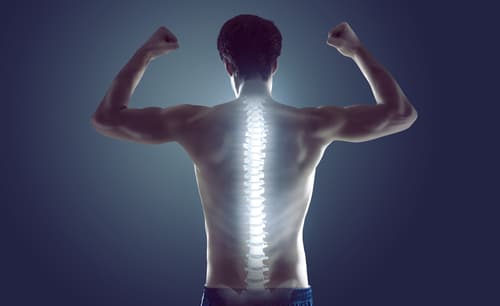
A flexible spine is crucial for overall health and well-being, as it plays a significant role in mobility, posture, and the body’s ability to adapt to various physical activities. Here are several key reasons why maintaining spinal flexibility is important:
1. Enhanced Mobility
Range of Motion
A flexible spine allows for a greater range of motion in the torso, which is essential for various activities such as bending, twisting, and reaching. This flexibility facilitates everyday movements and athletic performance.
Functional Fitness
Maintaining spinal flexibility supports functional movements required in daily life, such as lifting, climbing stairs, and engaging in recreational activities.
2. Improved Posture
Alignment
A flexible spine promotes proper alignment of the vertebrae, reducing the risk of postural issues such as slouching or excessive curvature. Good posture is essential for reducing strain on the spine and surrounding muscles.
Reduced Pain
Poor posture can lead to discomfort and chronic pain. A flexible spine helps maintain a neutral posture, which can alleviate pressure on the spine and reduce the likelihood of developing musculoskeletal issues.
3. Injury Prevention
Reduced Risk of Injury
A flexible spine can absorb shock and distribute forces more effectively during physical activities, reducing the risk of injury. Flexibility in the spine allows for better movement mechanics and decreases the likelihood of strains or sprains.
Support for Surrounding Muscles
Flexibility in the spine is often accompanied by flexibility in the muscles that support it, including the core, back, and hip muscles. This overall flexibility helps maintain stability and support during movement.
4. Enhanced Athletic Performance
Optimal Movement Patterns
Athletes benefit from a flexible spine, as it allows for optimal movement patterns and techniques. This can enhance performance in sports that require agility, speed, and coordination.
Injury Recovery
For athletes recovering from injuries, improving spinal flexibility can be a key component of rehabilitation, as it helps restore normal movement patterns and reduces stiffness.
5. Improved Circulation and Nerve Function
Blood Flow
Flexible spinal movements promote better blood circulation, which is essential for delivering nutrients and oxygen to the spinal discs and surrounding tissues.
Nerve Health
The spine houses the spinal cord, which transmits signals between the brain and the body. Maintaining spinal flexibility can help ensure that nerves are not compressed or irritated, supporting overall nerve health and function.
6. Stress Relief and Relaxation
Mind-Body Connection
Engaging in activities that promote spinal flexibility, such as yoga or pilates, can help reduce stress and promote relaxation. These practices often emphasise breath awareness and movement, fostering a mind-body connection.
Tension Release
Flexibility exercises can help release tension accumulated in the back and surrounding muscles, contributing to overall relaxation and well-being.
7. Aging Gracefully
Maintaining Independence
As we age, maintaining spinal flexibility can contribute to overall mobility and independence. It allows for continued engagement in physical activities and daily tasks.
Reduced Back Pain
Age-related changes in the spine, such as stiffness and degeneration, can lead to discomfort. Keeping the spine flexible may help mitigate some of these changes and reduce the risk of chronic back pain.
8. Holistic Health Benefits
Physical and Mental Balance
A flexible spine contributes to a balanced body, which can positively impact mental well-being. The sense of physical ease and comfort often translates to improved mood and mental clarity.
Spinal Flow care helps remove the chemical, physical and emotional stress from your spine. This means your posture will improve, along with your health and wellness.
Maintaining a flexible spine is vital for overall health, mobility, and quality of life. Incorporating regular stretching, strength training, and activities that promote spinal flexibility—such as yoga, pilates, and functional movement exercises—can help preserve spinal health and enhance physical performance. By prioritizing spinal flexibility, individuals can enjoy a more active, pain-free life and better overall well-being.