
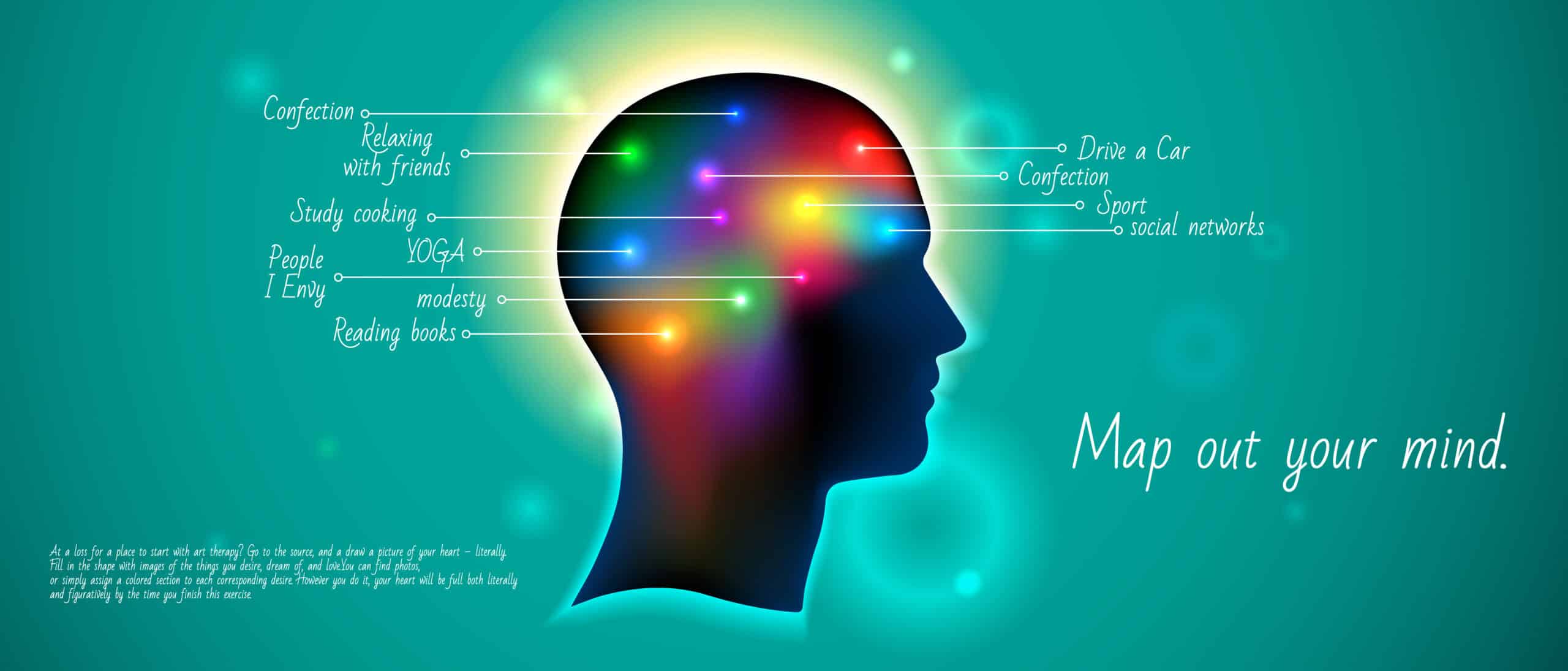
Mind mapping is a visual brainstorming technique that helps organise thoughts, ideas, and information in a structured format. It enhances creativity, aids memory retention, and promotes better understanding and clarity on a specific topic. Here’s a detailed overview of mind mapping, its benefits, and how to create your own mind maps effectively:
What is Mind Mapping?
A mind map is a diagram used to represent words, ideas, tasks, or concepts around a central theme. It starts with a central idea at the center of the page, with branches radiating outward to represent related topics, subtopics, and ideas.
Key Components of Mind Mapping
1. Central Idea:
The main topic or theme is placed at the center of the map, clearly labeled. This acts as the anchor for all other related ideas.
2. Branches:
Each major idea or theme related to the central topic radiates out from the center. These branches can be labeled with keywords or phrases that represent those ideas.
3. Sub-Branches:
Further details, concepts, or related thoughts can be added as sub-branches stemming from the major branches. This hierarchical structure allows for detailed exploration of each idea.
4. Colours and Images:
Using different colours, symbols, or images can enhance the visual appeal and aid memory retention. Visual elements make the mind map engaging and easier to navigate.
Benefits of Mind Mapping
1. Enhanced Creativity:
Mind mapping encourages free thinking and creativity, allowing you to generate and explore ideas without the constraints of linear thinking.
2. Improved Organisation:
It helps organise thoughts logically, making it easier to see connections between ideas and understand how they relate to one another.
3. Better Memory Retention:
The visual nature of mind maps aids in memory retention. The use of colours, symbols, and images helps the brain process and recall information more effectively.
4. Clarity and Focus:
Mind mapping can provide clarity on complex topics, helping to distill information into manageable components and keep you focused on the central idea.
5. Problem-Solving:
By visualising the various aspects of a problem, mind mapping can facilitate brainstorming solutions and identifying potential paths forward.
How to Create a Mind Map
1. Choose a Central Idea:
Start with a clear and concise central idea or theme. Write it down in the center of a blank page or digital app.
2. Add Main Branches:
Identify the major topics or categories related to the central idea. Draw lines to represent these branches radiating from the center.
3. Incorporate Sub-Branches:
For each major branch, add sub-branches that elaborate on the main topics. Use keywords or short phrases to keep it concise.
4. Use Colours and Images:
Incorporate different colours for each branch to distinguish between categories. Add images, icons, or drawings to make the mind map visually appealing and memorable.
5. Review and Revise:
Once your mind map is complete, review it for clarity and completeness. Revise as needed to ensure all ideas are represented effectively.
6. Utilise Mind Mapping Tools:
While you can create mind maps on paper, various digital tools and software (such as MindMeister, XMind, or Canva) can help enhance your mind-mapping experience with templates and collaborative features.
Mind mapping is a versatile and powerful technique for organising thoughts, enhancing creativity, and improving memory retention. By visually structuring information around a central theme, you can gain clarity and insight into complex subjects. Whether used for brainstorming, studying, or project planning, mind mapping can significantly enhance your ability to process and retain information.