
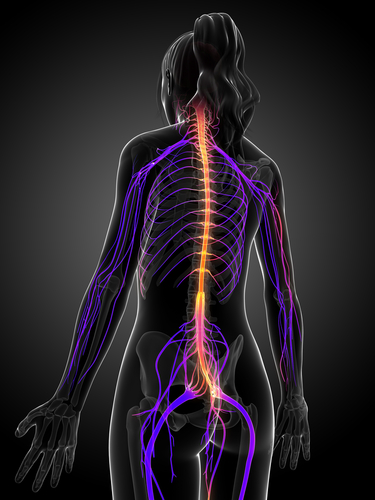
Cerebrospinal fluid (CSF) and the Spinal Flow Technique are closely related concepts within the realms of anatomy, health, and holistic practices. Understanding how CSF functions and how the Spinal Flow Technique interacts with it can provide insights into spinal health, nervous system function, and overall well-being. Here’s a detailed overview of each:
Cerebrospinal Fluid (CSF)
1. Definition and Function:
CSF is a clear, colorless fluid that surrounds the brain and spinal cord. It serves several crucial functions:
- Protection: Cushions the brain and spinal cord from injury, acting as a shock absorber.
- Buoyancy: Helps maintain the shape of the brain and reduces pressure on the skull.
- Nutrient Transport: Provides nutrients to the brain and removes waste products.
- Homeostasis: Helps regulate intracranial pressure and ensures a stable environment for neural function.
2. Circulation:
CSF is produced in the ventricles of the brain and flows through a series of spaces around the brain and spinal cord. It is eventually absorbed into the bloodstream. This circulation is vital for maintaining brain health and function.
The Spinal Flow Technique
1. Definition:
The Spinal Flow Technique is a holistic practice that focuses on restoring alignment in the spine and optimising nervous system function. It combines gentle adjustments, awareness practices, and specific movements to facilitate energy flow and enhance health.
2. Connection to CSF:
The Spinal Flow Technique can influence the circulation and function of the cerebrospinal fluid in several ways:
- Improved Spinal Alignment: By correcting misalignments in the spine, the technique may help enhance the flow of CSF, promoting better nourishment and protection for the nervous system.
- Facilitating Nerve Communication: Proper alignment supports optimal function of the nerves, which contributes to the health of the overall nervous system and the efficient circulation of CSF.
- Releasing Tension: The technique helps release tension in the muscles and fascia surrounding the spine. Reduced tension can alleviate pressures that may inhibit the flow of CSF, allowing it to circulate freely.
3. Enhancing Well-Being:
By improving the flow and function of CSF through spinal adjustments, the Spinal Flow Technique can contribute to a range of health benefits, including:
- Reduction in Stress and Anxiety: Enhanced circulation of CSF can support brain health, leading to improved mood regulation and emotional well-being.
- Greater Clarity and Focus: Improved CSF circulation can nourish brain tissue, potentially enhancing cognitive function and mental clarity.
- Pain Relief: By addressing spinal alignment and muscle tension, the technique may alleviate pain associated with conditions related to poor CSF circulation.
Cerebrospinal fluid plays a critical role in maintaining the health and function of the brain and spinal cord, while the Spinal Flow Technique offers a holistic approach to optimising spinal health and nervous system function. By facilitating proper alignment and releasing tension, the Spinal Flow Technique may enhance the circulation of CSF, ultimately supporting overall physical, mental, and emotional well-being.